

air fryer for diabetics is more than a kitchen trend—it’s a practical tool that can help people with diabetes manage their diets without sacrificing taste or convenience. With research showing drastic reductions in calories and oil compared to deep frying, air fryers are changing how diabetics cook at home. But there’s more to the story, including health trade-offs, expert warnings, and advanced tips few talk about.
Key Takeaways
- Air fryers can reduce oil use by up to 80 percent, making it easier for diabetics to enjoy crispy foods with fewer calories.
- There are potential risks, such as acrylamide formation and the quality of the air fryer’s coating, that diabetics should consider.
- Expert guidance on using air fryers for diabetes centers on portion control, recipe selection, and awareness of possible downsides.
- What Is an Air Fryer and Why Does It Matter for Diabetics?
- How to Use an Air Fryer for Diabetic-Friendly Cooking: Step-by-Step
- Advanced Analysis & Common Pitfalls
- Conclusion
- FAQ
What Is an Air Fryer and Why Does It Matter for Diabetics?
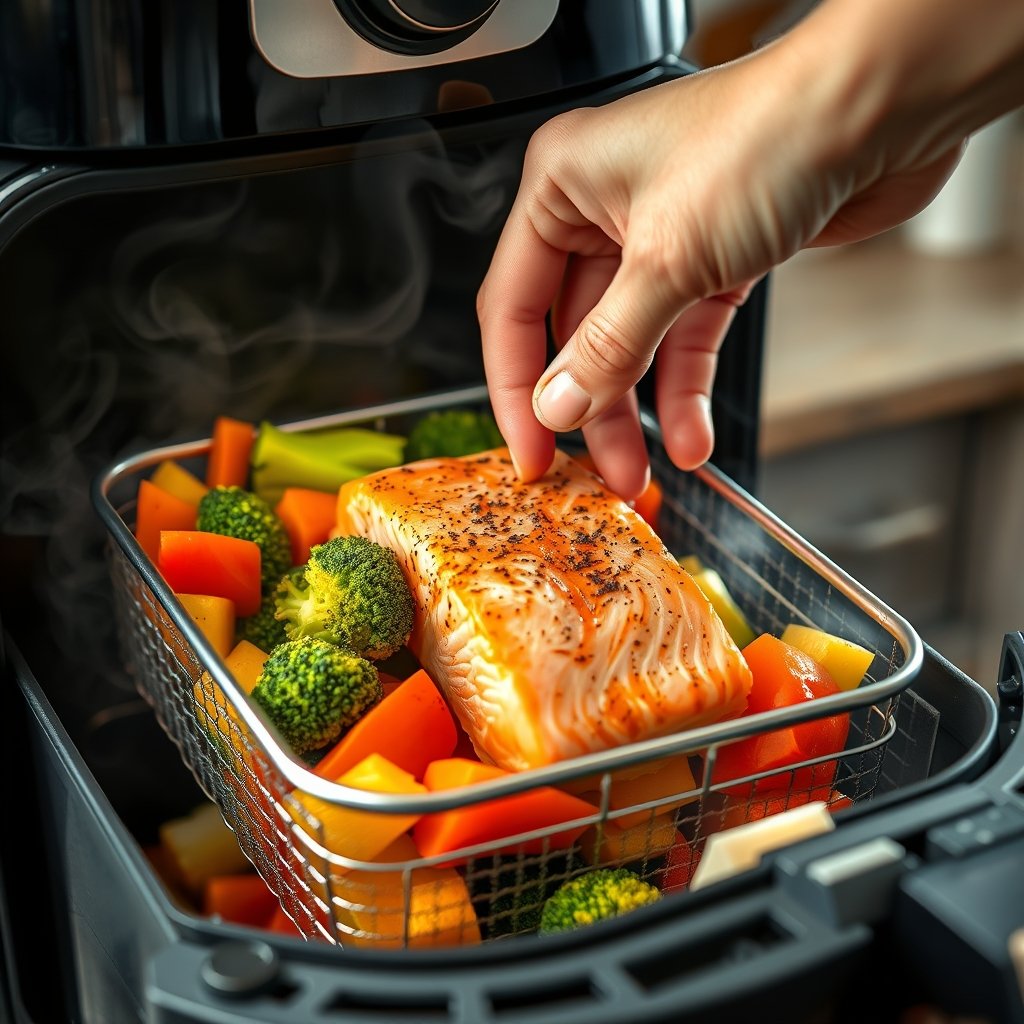
An air fryer is a compact countertop appliance that cooks food by circulating hot air rapidly, mimicking the effect of deep-frying with little or no added oil. For people managing diabetes, this technology can facilitate low-fat, lower-calorie cooking without losing flavor or crunch. Typical deep-fried foods are out of bounds for most diabetics, but the air fryer allows similar textures with a dramatic reduction in calories and fats. Using an air fryer, you can prepare diabetic-friendly meals like baked chicken, roasted vegetables, and even crispy tofu, all while keeping glycaemic impact in check. Plus, meal prepping and batch cooking become hassle-free, especially with modern large family-sized models.

There’s more to choosing the right appliance than basket size. Modern features like PFAS-free baskets (PFAS-free options) and ceramic coatings (ceramic air fryers) ease concerns about chemical exposure, which is especially relevant for health-conscious diabetics. Connected models support remote operation, simple meal prep, and recipe tracking via smartphone—readers interested in this should see the smart air fryer integration overview.
How to Use an Air Fryer for Diabetic-Friendly Cooking: Step-by-Step
- Choose the Right Air Fryer. Select a model with a non-toxic, easy-to-clean interior. For families, look for large-capacity air fryers or dual-basket models.
- Plan Your Recipes. Use diabetic-friendly recipes with lean proteins, lots of vegetables, and whole grains. Avoid breaded or sugar-heavy pre-made items.
- Prep Ingredients Carefully. Cut high-carb foods like potatoes or breaded meats into small portions. Use a light spray of olive or avocado oil (if any).
- Arrange for Even Cooking. Place items in a single layer for consistent results. Overcrowding can lead to uneven cooking and higher acrylamide formation.
- Monitor Cooking Time. Air fryers cook quickly. Use the built-in timer or a smart home device for precise results. Overcooking starchy veggies may increase acrylamide content (read more).
- Serve & Portion Mindfully. Plate smaller amounts and fill out meals with salad or steamed veggies to keep carbs in check.
If you want extra convenience, opt for appliances that can multitask, such as those that bake, dehydrate, or roast—see the air fryer oven combo guide.
Many diabetics find weekly batch cooking in the air fryer, combined with proper meal prepping (air fryer meal prep tips), leads to better glycaemic management and reduces temptations to order unhealthy takeout.
Advanced Analysis & Common Pitfalls
While the air fryer is a useful tool for diabetics, it is not without drawbacks. Let’s break down some advanced considerations and pitfalls based on current research and reported user experience:
- Lack of Clinical Studies (2023-2024): There are currently no extensive studies proving that air fryer use directly improves glycaemic control for diabetics (see evidence gap).
- Formation of Acrylamides and COPs: While air fryers cut oil, some studies show they can increase acrylamide content in potatoes compared to other cooking methods (2024 study). High temperatures may also create cholesterol oxidation products, raising potential health concerns for those with cardiovascular risk (Cleveland Clinic).
- Misleading “Healthy” Claims: Just because something is air fried does not automatically make it diabetic-friendly. Breaded, processed, or high-carb foods can still disrupt glycaemic management.
- Portion Control Challenges: The air fryer’s speed sometimes tempts users to make (and eat) excess food. Diabetics may struggle with proper portioning if mindful habits aren’t established.
- Coating & Material Safety: Not all air fryers are created equal. Some use baskets with PFAS or Teflon coatings. Look for PFAS-free (guide to PFAS-free air fryers) or ceramic/stainless baskets for safer cooking.
| Comparison | Air Fryer | Deep Fryer | Oven Baking |
|---|---|---|---|
| Average Oil Used | 1 tbsp | 1-2 cups | 1-2 tbsp |
| Calorie Reduction* | Up to 80% | Baseline (0% reduction) | 40-50% |
| Acrylamide Levels in Potatoes | 12.19 μg/kg* | 8.94 μg/kg | 7.43 μg/kg |
*Sources: Cleveland Clinic, 2024 research

Conclusion
Air fryers deliver major benefits for diabetics seeking healthy, crispy meals at home. While dramatic reductions in oil and calories are proven, careful attention to recipe, portion, and appliance safety are still necessary. Remember, the air fryer for diabetics works best as part of a balanced meal plan. Always pair air-fried foods with non-starchy vegetables and lean proteins and keep an eye on your portion sizes. Start experimenting now, and transform how you approach diabetes-friendly eating!
Want unbiased comparisons of top models or more meal prep tips? Visit our in-depth guides, such as Ninja vs Cosori Air Fryer or discover which Ninja model fits your needs.
FAQ
Are air fryers really healthier for diabetics than regular frying?
Yes, air fryers typically use up to 80 percent less oil than deep frying, which means fewer calories and less saturated fat in your food. This is important for diabetics looking to manage weight and cardiovascular risk. However, the type of food and serving sizes still matter.
Can you lower the glycaemic index of foods by using an air fryer?
There is no current evidence that air frying directly lowers the glycaemic index of foods. The main benefit is less oil and calories. Choosing low-carb, non-starchy vegetables and avoiding breaded processed foods is key for glycaemic management.
Are there any health risks to using an air fryer?
Air frying can lead to the formation of acrylamides, especially in starchy foods like potatoes. Some studies suggest levels can be higher than in oven baking or deep frying, though the data is mixed. Always avoid overcooking and choose PFAS-free or ceramic-coated baskets to minimize toxin exposure.
What size air fryer is best for diabetic meal prep?
For singles or couples, a 2 to 4-quart unit works well. Families benefit from a 6- to 10-quart model or a dual-basket system that can cook proteins and sides at once. Check out our large family air fryer guide for more tips.
How do I make sure my air fryer meals are truly diabetic-friendly?
Pick recipes that focus on lean meats, fish, non-starchy veggies, and fiber-rich additions. Avoid pre-breaded frozen foods. Read guides such as our air fryer meal prep resource for step-by-step ideas.
—