

PFAS free air fryer searches have soared as health concerns around “forever chemicals” hit mainstream news. Do PFAS-free models truly avoid toxic coatings, and are they just as effective as Teflon units? Find real answers, proven model options, and clear buying advice in this evidence-based guide.
Key Takeaways
- True PFAS free air fryers use ceramic, stainless steel, or glass—not just “PFOA-free” or “PTFE-free” coatings.
- Brand claims often outpace independent testing; consumer verification is crucial for genuine safety.
- PFAS free models may cost more or cook a bit slower but can match or outperform Teflon air fryers overall.
- Understanding PFAS Free Air Fryers
- Step-by-Step: Choose and Use a PFAS Free Air Fryer
- Advanced Analysis & Common Pitfalls
- Conclusion
- Frequently Asked Questions
Understanding PFAS Free Air Fryers
Most conventional air fryers use PTFE (Teflon), PFOA, or other forms of PFAS in non-stick coatings. These “forever chemicals” may migrate to food at high heat and have been linked to health risks from hormone disruption to cancer. Marketed as safer alternatives, PFAS free air fryer models feature ceramic, glass, or stainless steel—without any hidden fluorochemicals.
Air fryer brands like Typhur, Bella, Midea, Nuwave, and especially the Ninja Crispi Pro now offer baskets and trays using certified PFAS-free ceramic or pure stainless steel. But beware: “PFOA-free” or “FDA-approved” does not guarantee zero PFAS. Always look for explicit “PFAS free” statements from the brand and ask for lab tests if possible.
Want direct head-to-head brand comparisons? Jump into this in-depth Ninja vs Cosori air fryer breakdown for the latest PFAS-oriented findings, or explore our 2026 air fryer PFAS free guide for even more analysis.
Step-by-Step: Choose and Use a PFAS Free Air Fryer
- Decide on your safest material: Ceramic (best for easy cleaning), stainless steel (most durable, but food may stick a bit more), or glass (visible and fully inert).
- Check exact brand claims: Demand to see “PFAS free” or “100% PFAS-free” language—not just “PFOA-free” or “PTFE-free.” Visit brand sites or contact support for evidence.
- Pick the right size and features: Match the basket capacity with your usual meal batch. If you want dual-basket flexibility, see our dual zone air fryer guide.
- Budget appropriately: PFAS free air fryers, especially ceramic and stainless, generally cost a bit more than generic Teflon models. Options like Bella 4Qt are budget-friendly for solo or couple use.
- Follow proper care: Hand wash ceramic baskets and avoid sharp tools, as hard scrubbing or metal utensils can degrade the non-stick finish. For stainless or glass, regular dish soap and non-abrasive sponges are best.
- Test performance: Run side-by-side recipe tests—fries, chicken, veggies—to compare crispness and speed versus older Teflon models.
- If in doubt about claims: Reference independent guides such as Homes & Gardens’ best non-toxic air fryers or The Roundup for current, regularly-updated PFAS confirmation.
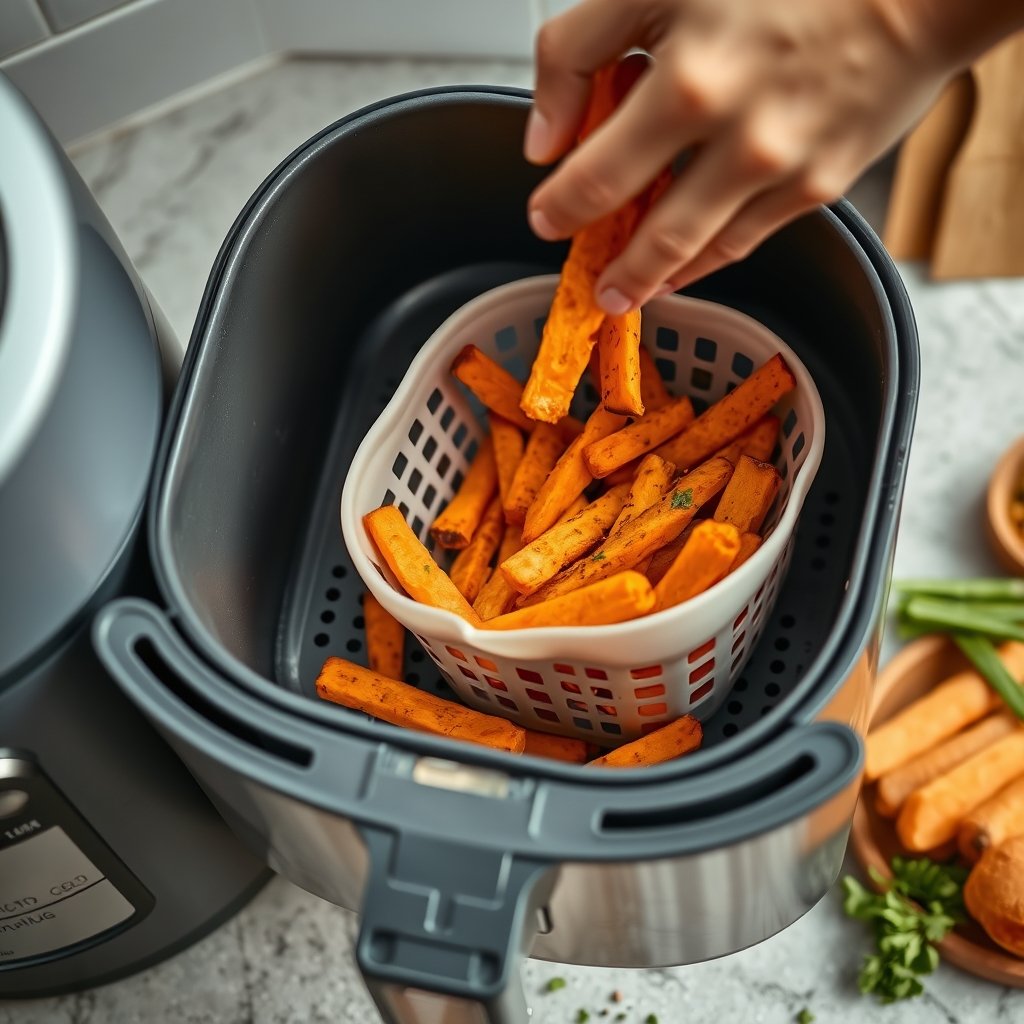
If you need a replacement, review the options in our ceramic air fryer basket comparison to ensure you’re getting a verified safe accessory. For large homes, check dedicated reviews of air fryers for family meal prep.
Advanced Analysis & Common Pitfalls
Buying a PFAS free air fryer isn’t always straightforward. Here are the most common missteps and a data-driven look at performance:
- Confusing “PFOA-free” or “PTFE-free” for true PFAS absence: Many brands highlight these, but broader PFAS can still be lurking in lesser-known non-stick blends.
- Slower or inconsistent cooking: Some ceramic or glass models—like the Our Place Wonder Oven—are slower for air frying or toasting than conventional Teflon (per The Good Life Designs).
- Bigger basket sizes may not fit dishwashers: High-capacity ceramic models like Typhur Dome 2 can be tough to clean if your dishwasher is compact.
- Lack of enduring third-party certification: Most PFAS free claims are self-reported by brands.
- Sticker shock: Premium materials mean higher upfront costs. Stainless steel models especially come at a price. See this stainless steel air fryer guide for analysis.
- Warranty exclusions: Coating wear and tear may not be warrantied, even with diligent care.
| Air Fryer Model | Bowl/Tray Material | PFAS-Free Claimed? | Performance vs. Teflon/PTFE | Pricing Tier |
|---|---|---|---|---|
| Typhur Sync | Ceramic-coated metal | Yes (brand-confirmed) | Faster and precise; outstanding for fries/meat | Premium |
| Ninja Crispi Pro | Fully glass + ceramic crisper | Yes (website-confirmed) | Strong crisping; cook monitoring possible | Premium |
| Midea Flexify | Stainless steel | Yes (brand-confirmed) | Great for whole chicken/fries; top durability | Mid to High |
| Bella “Fits-Anywhere” | Ceramic (EverGood™) | Yes (brand-confirmed) | Basic non-stick; good for small batches | Budget |
| Conventional Teflon Model | PTFE (Teflon) | No | Usually fastest, but possible PFAS exposure | Budget |
To go deeper on market comparisons—including how models fare in big-batch cooking—read our high-traffic air fryer meal prep guide.

Conclusion
Choosing the right PFAS free air fryer takes more than just trusting labels—demand transparent claims, compare materials, and review real-world performance. While a PFAS free air fryer might cost a bit more or take a few extra minutes to cook, your health and peace of mind are well worth it. Ready to upgrade? Dive into hands-on reviews, check for authentic “PFAS-Free” certifications, and don’t settle for partial safety claims.
Explore our detailed PFAS-free air fryer buying guide now or share your questions in the comments for tailored recommendations!
Frequently Asked Questions
Are ceramic-coated air fryers really PFAS free?
When brands specify “PFAS free,” their ceramic coatings generally avoid all related chemicals. However, some only guarantee “PFOA-free” or “PTFE-free.” Always check for full PFAS-free confirmation and, if possible, supporting documentation or direct responses from the manufacturer.
How do I clean and care for a ceramic or stainless air fryer basket?
Use a soft sponge and mild dish soap. Avoid metal tools or scouring pads, which can scratch ceramic coatings. For stainless or glass baskets, non-abrasive washing is usually enough. Hand washing extends coating lifespan and keeps your warranty intact.
Is food as crispy from PFAS free air fryers as from Teflon models?
Top ceramic or stainless models like the Typhur Sync or Ninja Crispi can match or outperform Teflon baskets for crispness and even cooking. Lower-end ceramic coatings may lose non-stick performance faster, so budget makes a difference.
Why don’t most brands have lab test results proving PFAS-free status?
The PFAS test process is costly and not required by law in many countries (as of 2026). Most “PFAS free” claims rely on manufacturer-supplied information or third-party certifications, but comprehensive public lab data is still rare.
Are there any regulatory standards around PFAS free kitchen appliances?
No strict regulations govern PFAS disclosure in air fryers in most markets. Some regions now ban certain PFAS in cookware, but full transparency is not standardized—so buyer diligence remains essential.