

Air fryer PFAS free 2026 is one of the most sought-after queries among health-conscious kitchen appliance buyers today. If you care about minimizing toxic exposures, understanding what “PFAS free” really means for air fryers—and how to shop smart in 2026 is essential. This article dissects the latest facts, actionable steps, and real problems when navigating this confusing new appliance landscape.
Key Takeaways
- No official US or EU government agency certifies air fryers as fully PFAS free in 2026, so claims rely on proprietary or voluntary lab testing.
- Ceramic and stainless steel air fryers are the closest options to truly non-toxic, but buyers should check for independent laboratory testing details before buying.
- Most air fryers on the market still use PTFE or similar coatings—so picking a PFAS free model requires checking materials, brand transparency, and durability warnings.
Table of Contents
- What Does “Air Fryer PFAS Free 2026” Actually Mean?
- Step-by-Step Guide: How to Buy a PFAS Free Air Fryer in 2026
- Advanced Analysis & Common Pitfalls
- Conclusion: Make Your Air Fryer Choice Matter
- Frequently Asked Questions
What Does “Air Fryer PFAS Free 2026” Actually Mean?
The term “air fryer PFAS free 2026” refers to air fryers marketed as free from per- and polyfluoroalkyl substances (PFAS), including PTFE (Teflon), PFOA, and related non-stick chemicals known for persistence, health concerns, and regulatory attention. In 2026, there is still no authoritative certification from the FDA, EPA, or UL confirming that any air fryer model is truly free from these chemicals. Some brands use voluntary lab testing or refer to ceramic and stainless steel alternatives, but official third-party regulatory backing is lacking.
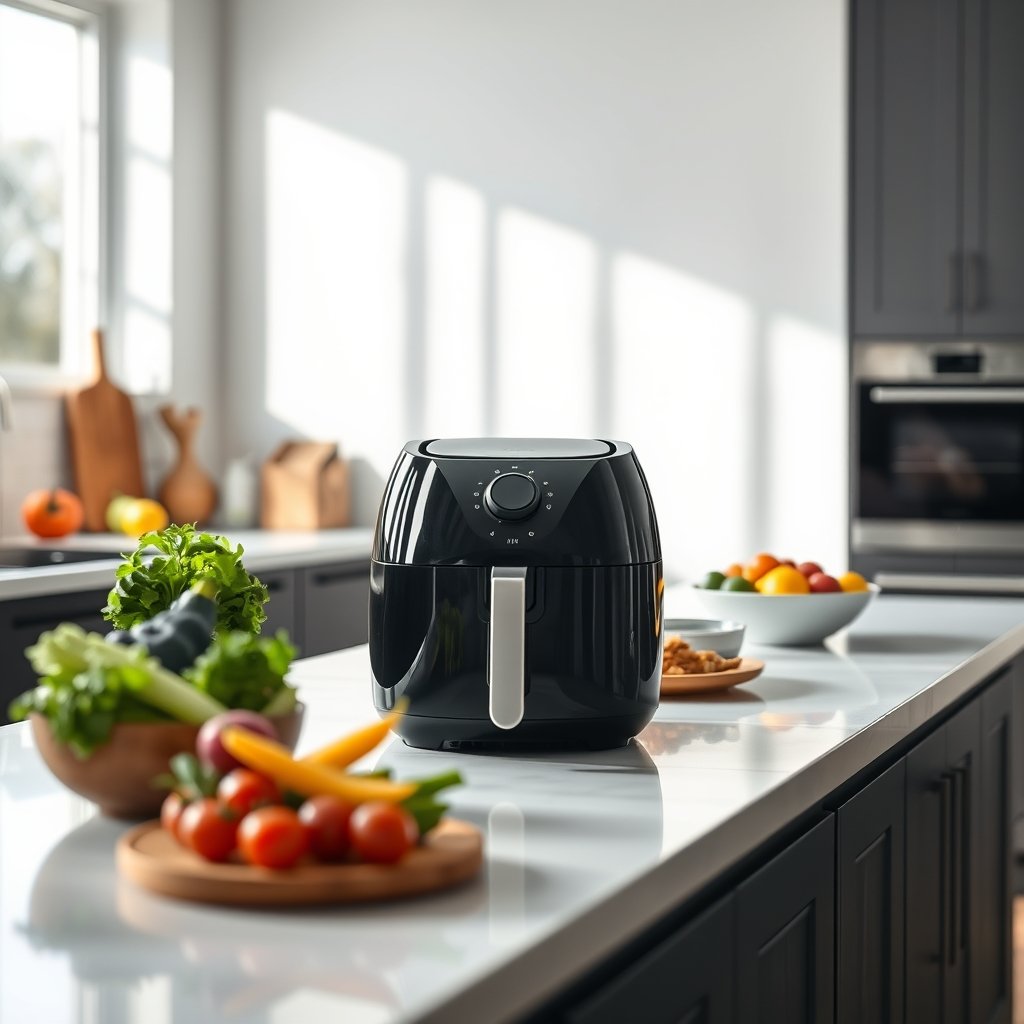
The reason this matters is that PFAS—sometimes called “forever chemicals”—can degrade under high heat, potentially releasing toxic particles or fumes. This includes coatings like PTFE (Teflon), which may be labeled as “PFOA free” but can still be part of the broader PFAS group. On the flip side, air fryers with ceramic coating or stainless steel interiors offer users non-toxic alternatives, though durability and cleaning quirks exist.
Consumers are searching for true peace of mind, but with “PFAS free” claims being unregulated marketing terms in 2026, it’s critical to scrutinize ingredients, scientific test results (if available), and user reviews for health, performance, and longevity. For high-capacity family models or in-depth product comparisons, internal guides like the Ninja vs Cosori air fryer head-to-head remain invaluable.
Step-by-Step Guide: How to Buy a PFAS Free Air Fryer in 2026
- Ignore “PFOA Free” as a Standalone Claim: PFOA has been banned for years. Focus on entire PFAS/PTFE (Teflon) status.
- Check for Explicit Materials Disclosure: Look for models advertising “ceramic-coated basket” or “all stainless steel interior.” For example, the Aria 7-Qt Premium Ceramic Air Fryer Oven and the Typhur Sync (with ceramic pans) both advertise PFAS-free alternatives, though third-party proof varies.
- Demand Proof—Not Just Claims: Some brands, like Braun Household, offer voluntary, independent accredited laboratory reports. However, their protocols go beyond the law but are not government-certified (example here). Look for posted test results or manufacturer willingness to share lab data.
- Learn the Difference Between Ceramic & Stainless Steel: Ceramic is PFAS free but can chip or degrade over time. all stainless steel interior is durable, non-coated, and FDA-approved for food contact in general, but can be less “non-stick.”
- Read User Reviews for Long-Term Issues: Focus on complaints about chipping, discoloration, odd odors, or food sticking—which could signal coating breakdown or quality problems.
- Compare Price & Warranty Carefully: Most ceramic air fryers are competitively priced (see the “very accessible price point” for Aria 7-Qt family model), but warranty coverage and after-sales support can differ widely. Traditional non-stick (PFAS) models may appear cheaper, but often at the cost of long-term safety.
- Prioritize Cleaning Instructions: Ceramic should typically be Hand-wash recommended with gentle tools. Stainless steel can take more scrubbing but may dull if abrasive cleaners are overused.
- Confirm with Manufacturer Support: Ask directly for third-party test results, specifics about coatings, or how often lab testing is repeated, referencing EU PPWR thresholds (<25 ppb individual PFAS, total fluorine 50 ppm) if you want truly “PFAS free” in legal terms.
- Look Beyond Hype—Dig Into Durability: Where possible, consult editorial comparisons—such as our Ninja vs Cosori air fryer guide—to see how PFAS free options actually perform, clean, and last compared to traditional models.
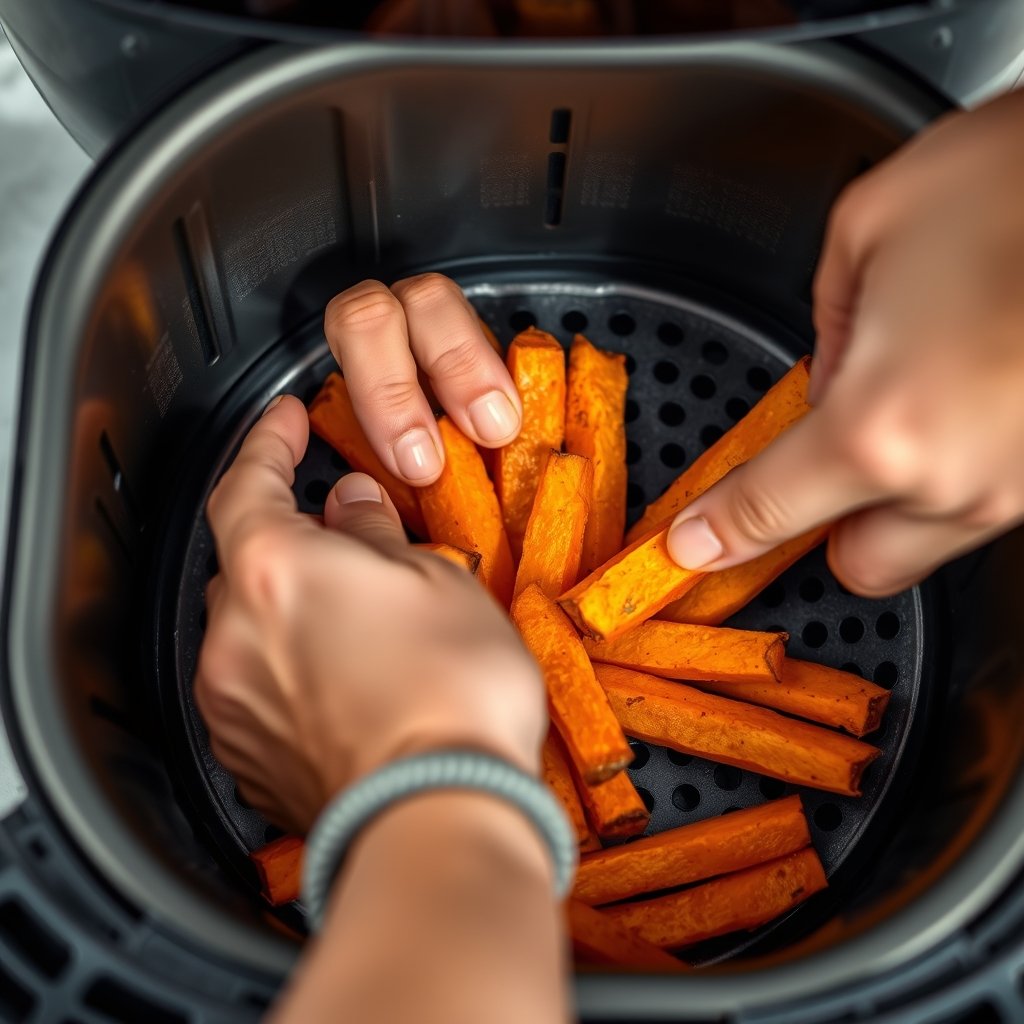
If you’re comparing the latest 2026 air fryer launches, watch for new product lines (like the Ninja Crispi with a glass bowl) that specifically answer PFAS anxiety. This comparison between Ninja Crispi vs Ninja Foodi can help if you want a head-to-head on bowl material, cleaning, and PFAS risk mitigation.
Advanced Analysis & Common Pitfalls
The PFAS free air fryer market in 2026 is moving rapidly, but common problems still undermine buyer confidence and user satisfaction. Here are the traps to avoid—and clear areas where even “non-toxic” models may fall short:
| Feature/Claim | PFAS/Conventional (PTFE) | Ceramic-Coated | Stainless Steel |
|---|---|---|---|
| Certification Status | No official government PFAS-free cert. Most marketed as “PFOA free” only. | No official certification; some brands claim proprietary 3rd-party testing. | FDA-approved for food but not PFAS model-specific. Usually uncoated steel. |
| User Health Complaints | Fumes or particles from coating degradation above 350°F; concern about hormonal & immune disruption (details). | Minimal—heat-stable to 450°F but can chip over time (see user reviews). | None—no coating, but food can stick and require extra cleaning. |
| Durability | Prone to scratching, peeling, and heat wear. | More durable than low-cost Teflon, but not immune to chips or dishwashing damage. | Highest—can last years with proper care. |
| Washing & Care | Usually dishwasher safe, but this can wear coatings faster. | Hand-wash recommended. Dishwasher often voids warranty. | Dishwasher safe but may dull shine over time. |
| Price Range (2026) | Usually most affordable. Most models, most variety. | Higher for family/large models. Still “very accessible” for core sizes. | Premium if large/oven-style. Small models rare or expensive. |
| Lab Test Transparency | Rarely published. Most rely on broad regulatory claims. | Some, like Braun, share basic protocols but not always thresholds or full data. | FDA food-grade steel clear, but no PFAS batch certificate required. |
| Best For | Budget shoppers, “set and forget” users, non-high-heat needs. | Health-conscious, non-toxic cooks, families with children. | Picky, chemical-averse, or durability-focused buyers. |
- Hidden Regulatory Gaps: “PFAS free” can legally mean tested only below 25 parts per billion (ppb) per EU 2026 rules—not absolute zero. No US rule applies in 2026—buyer beware (source).
- PTFE Confusion: PTFE (Teflon) remains common, often labeled safe below 260°C (500°F). Read the fine print—being “PFOA free” does not mean “PFAS free.”
- Durability Over Years: Ceramic coatings naturally degrade, especially if misused or put in a dishwasher. Stainless steel lasts, but may lose shine and is rarely 100% stick-proof.
- Social Comparison Burnout: It’s easy to get lost in dozens of variant models every year. Use resources like our Philips air fryer vs Ninja breakdown to clarify options by brand reputation, not just toxicology.
- Recycled Material Unknowns: “Eco” models using recycled plastics may still contain non-intentionally added substances (NIAS) or cross-contaminants. Few 2026 guides disclose these issues (source).
Conclusion: Make Your Air Fryer Choice Matter
The “air fryer PFAS free 2026” marketplace is packed with marketing noise, unregulated claims, and real progress for the consumer. For maximum health and safety, prioritize ceramic-coated (from trustworthy brands) or all-stainless steel interior baskets, demand transparent lab results (not just buzzwords), and confirm care instructions for long-term durability. Don’t settle for “PFOA free” badges—probe deeper, and always compare via expert guides like our Ninja vs Cosori air fryer breakdown or warranty and performance reviews (see also: Cosori vs Instant Vortex air fryer).
Ready to find your safest air fryer for 2026? Start with the steps above, ask questions, and take every “PFAS free” label with a healthy dose of skepticism.
Frequently Asked Questions
Are any air fryers officially certified PFAS free by the FDA or EPA in 2026?
No. There are no official US government certifications (FDA, EPA, or UL) for PFAS free air fryers as of 2026. Only brand-led or independent lab testing are used, and standards are inconsistent. See this guide for details.
Is “PFOA free” the same as “PFAS free” in air fryer advertising?
No. “PFOA free” only means that one chemical (already banned) is not present. “PFAS free” should refer to the entire class, but is not legally enforced. Many “PFOA free” models still use PTFE (Teflon), a type of PFAS.
Are ceramic-coated air fryers more durable and safe than PTFE models?
Generally yes—ceramic is PFAS free and heat-stable (to 450°F), but can chip with rough use or dishwashing. PTFE coatings can degrade at high heat. Stainless steel interiors are safest but least non-stick.
How can I verify if an air fryer is really PFAS free?
Ask the manufacturer for a recent, independent lab test showing PFAS below 25 ppb (current EU safety standard). If not available, opt for stainless steel or well-reviewed ceramic-basket models from known brands.
Is it worth paying more for a PFAS free air fryer in 2026?
If health and longevity are your top priorities, yes. While traditional models may be cheaper, the risk of coating degradation, chemical migration, and cleaning hassle is higher in the long run.
—