

Air fryer sales are exploding as more people trade deep fryers and ovens for this compact, healthy kitchen gadget. But is an air fryer really worth the hype? Here’s an in-depth, realistic guide to the market, technology, buying tips, and all-important downsides many blogs ignore.
Key Takeaways
- Air fryer demand in 2024 is booming worldwide, driven by health focus and smart tech upgrades.
- Information on durability, maintenance, and actual safety issues remains scarce—choose wisely.
- Differences in style, size, and features matter more than most reviews admit—match the machine to your household, not just trends.
- What Is an Air Fryer and Why the Hype in 2024?
- Step-by-Step Guide: Picking and Using the Right Air Fryer
- Advanced Analysis and Common Pitfalls That Most Blogs Skip
- Conclusion: Should You Invest in an Air Fryer?
- FAQ: Air Fryer Questions Answered
What Is an Air Fryer and Why the Hype in 2024?
The air fryer is a countertop device that uses rapid hot air circulation to make crispy food with far less oil than traditional deep fryers. Instead of submerging food in oil, it blasts superheated air around a basket, mimicking the Maillard reaction for crunch and taste. But the real story is what’s happening in 2024 and why these devices sell by the millions.
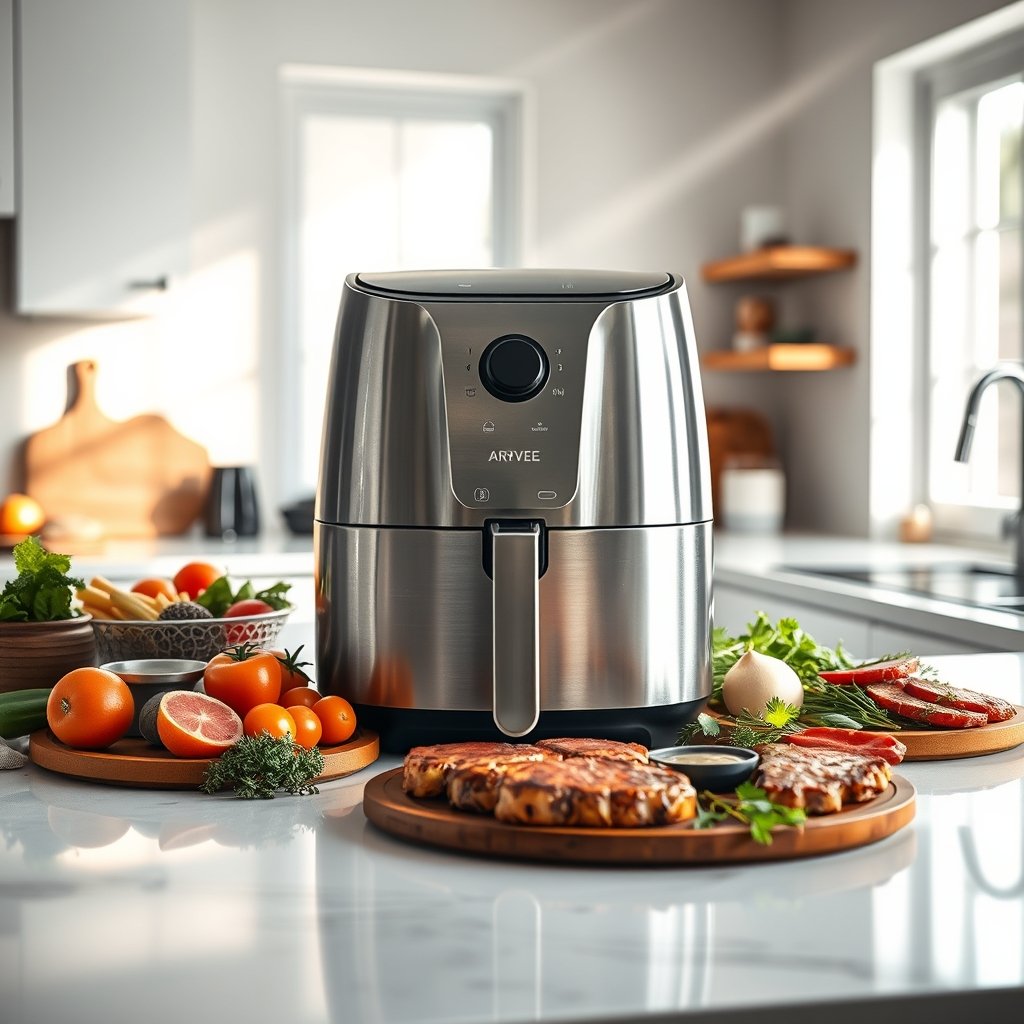
Market Trends: The global air fryer market is valued around $1.4 billion in 2024, with industry projections ranging up to $9.4 billion for 2025 depending on the research firm. The market is forecast to nearly double by 2034, with 7.5-8% annual growth year over year (source, source). In France, sales shot up 140% from 2023 to 2024—over 2.6 million units sold (source).
Why now? The movement is driven by a global shift toward healthier, lower-oil cooking, digital features for busy households, and a TikTok-fueled obsession with quicker meals. Smart features like Wi-Fi, app control, and digital presets are pushing adoption, especially in North America and Asia-Pacific (source).
Bestselling models include brands like Ninja, Cosori, and Philips, with popular features such as dual baskets, visibility windows, and voice assistant integration. [Want close-up brand comparatives? Check out Ninja vs Cosori air fryer and Philips air fryer vs Ninja comparisons.]
In summary: The air fryer’s promise is simple—less oil, less mess, and fast crispy results. But its explosion in 2024 is also about gadget convenience, tech upgrades, and social influence.
Step-by-Step Guide: Picking and Using the Right Air Fryer
Choosing the best air fryer for your kitchen—and actually using it well—isn’t as straightforward as influencers imply. Here’s how to cut through the noise and avoid regret.
- Clarify your main use: Are you reheating leftovers, cooking for one, batch-cooking family meals, or replacing your oven? For tight spaces or solo meals, consider compact or portable air fryer models (portable air fryer guide). Large families or meal preppers should look at dual-basket or XL oven-style units (air fryer for large family).
- Compare basket vs oven style: Basket air fryers are more affordable and space-saving, great for simple protein and fries; oven-style units suit multi-tray cooking, whole chickens, dehydration, and rotisserie (air fryer oven combo).
- Decide on smart and digital features: Digital panels, pre-programmed settings, app/wifi controls, or voice integration matter for tech-focused buyers. These features are creeping into even mid-priced models. For the latest in Wi-Fi and smart kitchen integration, see the smart air fryer WiFi guide.
- Factor in material safety and cleaning: Growing awareness of PFAS (nonstick chemicals) in air fryer baskets makes it essential to check if a model lists Teflon, ceramic, or stainless steel interior options. Glass and stainless options are on the rise (PFAS-free air fryer).
- Realistic pricing expectations: While social media hypes “cheap air fryers under $50,” few credible models offer reliability at this price. As of 2024, entry-level basket models are more affordable than oven-style or family-size units, but pricing varies by digital features and materials.
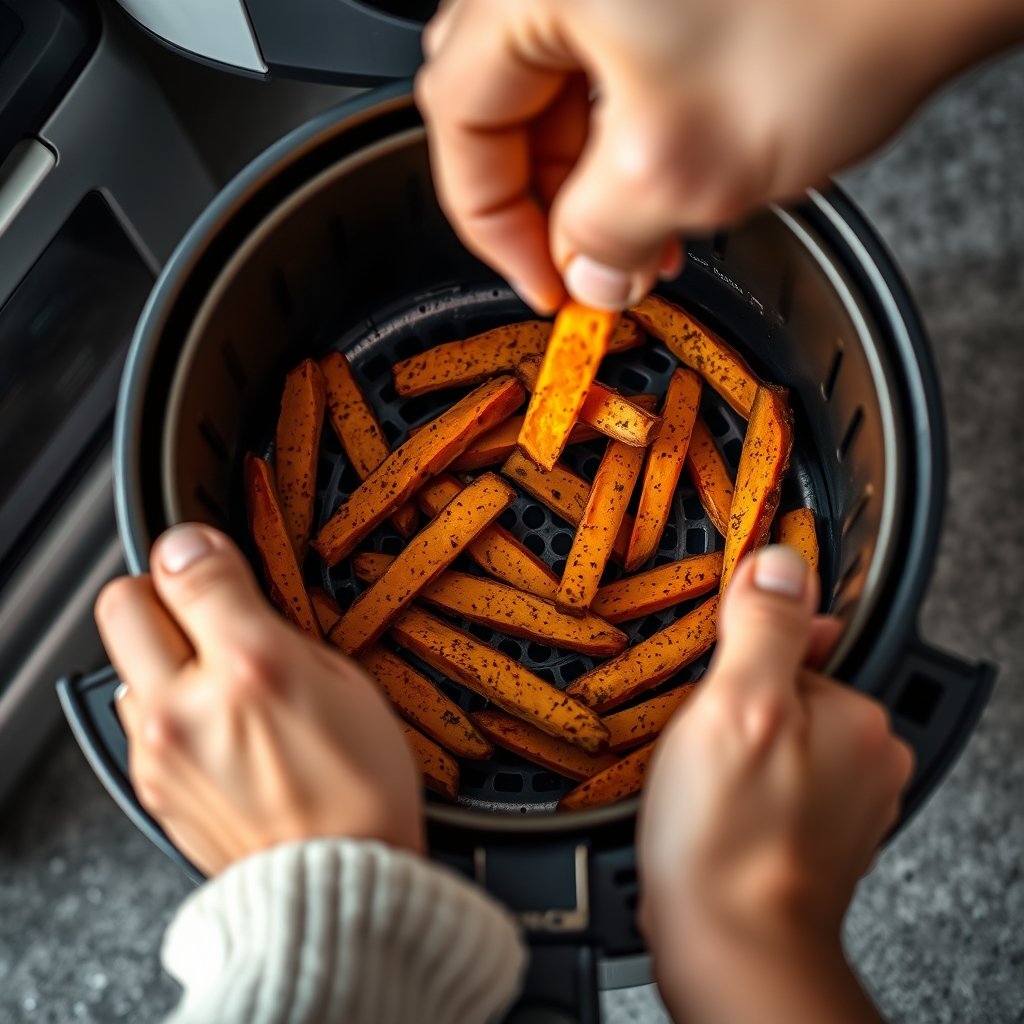
- Initial setup and first uses: Always wash the basket/drawer, run a preheat cycle empty, and never overload the basket. Foods should be patted dry for extra crispiness. Refer to how to use an air fryer for detailed basics.
- Learn the cook-time sweet spots: Most meats go 8-25 minutes at 350-400°F. Use recipes as a base, but adjust for your machine’s quirks. Reference time charts for reliable doneness, like for salmon (air fryer salmon time guide).
- Check compatibility and liners: Not all basket coatings handle parchment or foil equally. Use liners carefully—check brand specs or see practical advice for safe usage in foils and baskets (can you put foil in an air fryer).
Advanced Analysis and Common Pitfalls That Most Blogs Skip
Most reviews gush about crispy fries and low-fat wings, but the real annoyances and gaps in the air fryer world include:
| Feature | Basket-Style | Oven-Style | Dual Basket |
|---|---|---|---|
| Capacity | 2-6 qt, best for 1-3 people, limited for batch meals | 8-15 qt, up to whole chickens or multiple trays | 8-10 qt combined, two foods at once |
| Cooking Results | Best for even crisp, needs shaking | Good browning, ideal for multi-level cooking | Sync finish, diverse proteins/sides |
| Energy Use | Generally lower, but no firm data | Higher wattage, suits batch prep | Medium to high, but time-saving |
| Price | Most affordable ($-$$) | Higher cost ($$-$$$) | Mid-high ($$-$$$ for size/features) |
| Tech Features | Manual & digital, Wi-Fi rare but growing | Touch presets, Wi-Fi/app trending | Sync/Match Cook, smart presets |
| Cleaning | Basket or tray removable, sometimes dishwasher safe | Multiple trays, may need careful hand-cleaning | Two baskets to wash, some removable dividers |
| Best For | Singles, couples, healthy sides | Families, batch cooks, whole chickens | Meals with protein/side or picky eaters |
Common Pitfalls and Frequently Overlooked Realities
- Long-term maintenance/lifespan: No current data—most brands simply don’t share expected basket or heating element longevity. Heavy daily use can reduce non-stick performance and degrade fans.
- Noise levels: Reviews rarely mention it, but some fans are louder than expected, especially on high/roast settings.
- User complaints/safety issues: Data is sparse, but stay alert for recall news, overheating issues, and PFAS/Teflon worries. For coverage, see air fryer recall safety and PFAS-free air fryer guide.
- Uniformity of results: Cheap models and overstuffed baskets often mean uneven cooking. Shaking or tray rotation is not optional for the best finish.
- Raw performance data is lacking: No brands publish exact energy ratings or cook speed vs. a standard oven or deep fryer. However, real-world users often find air fryers reheat leftovers and cook small batches faster than traditional ovens—just not in huge quantities.
- Price “gotchas”: True, most air fryers are cheaper than premium ovens, but genuinely robust, safe, feature-rich models rarely go below $70-90, especially for larger sizes or smart features.
- Health claims: There’s consensus that air fryers are healthier than deep fryers due to less oil (source), but no hard data on exactly how many calories or fat grams are saved per meal versus an oven.
Conclusion: Should You Invest in an Air Fryer?
The decision to bring an air fryer into your kitchen hinges on much more than TikTok buzz. Know your actual cooking habits, research the material and tech you need, and understand this: basket style is easier and more affordable for most, but oven-style and dual-basket units deliver on prep speed and family versatility. Reviews rarely cover real-world downsides, so dig deeper.
If healthier eating, less mess, or time-saving matters, you’ll probably find a good fit. If you want deep-dive brand matchups or troubleshooting, explore guides like Ninja dual basket vs single basket air fryer and Ninja Crispi glass bowl air fryer for hands-on breakdowns.
Ready to compare models or get recipe inspiration? Start with one of our researched guides and find the air fryer that fits your lifestyle, not just the trend. The air fryer can transform meal prep when it matches your real needs.
FAQ: Air Fryer Questions Answered
Are air fryers really healthier than deep fryers?
Yes, air fryers use significantly less oil, resulting in fewer calories and lower fat compared to deep-fried foods. However, exact numbers vary and data on health improvements is limited.
Which is better: basket or oven-style air fryer?
Basket-style is ideal for small households and crisp results on basics like fries or nuggets. Oven-style suits families and batch cooking—choose based on kitchen space and meal size.
Do air fryer baskets wear out or pose health risks?
Nonstick baskets (often coated with PTFE or other chemicals) can degrade over time, especially with harsh scrubbing or high heat. If safety is a concern, look for glass, stainless steel, or ceramic options.
What’s a realistic price for a reliable air fryer in 2024?
While ultra-cheap models pop up, expect to pay $70-$180 for most reputable brands, with premium oven-style and smart models ranging higher. Lower-priced units often lack features or durability.
Are air fryers noisy or hard to clean?
The fan can be louder than a microwave, especially for powerful models. Baskets and trays are usually dishwasher-safe but check the manual. Oven-style units have more parts and may take longer to clean.