

air fryer stainless steel interior is a search term gaining huge traction in 2026 as more buyers want kitchen appliances free from plastic, PTFE, and potentially toxic non-stick coatings. If you’re researching air fryers that prioritize health and safety, you’ve likely noticed the scarcity of truly all-metal interior models and clear, honest answers about what’s really inside the basket. This guide breaks down what you need to know, how to avoid common pitfalls, and realistic steps for finding a stainless steel air fryer that genuinely matches your expectations.
Key Takeaways
- There is little verified market data about the exact percentage of air fryers with genuine stainless steel interiors—shoppers must evaluate claims carefully.
- Health and safety concerns have driven demand for PFAS-free, PTFE-free, and all-metal air fryer baskets, but options and transparency remain limited.
- Reading product specs, user reviews, and expert roundups is crucial to avoid the most common traps, such as misleading “stainless look” marketing or hidden plastic inserts.
- What Is the Air Fryer Stainless Steel Interior Trend?
- Step-by-Step Guide: How to Find and Evaluate Stainless Steel Interior Air Fryers
- Advanced Analysis & Common Pitfalls
- Conclusion
- FAQ
What Is the Air Fryer Stainless Steel Interior Trend?
Interest in stainless steel interiors for air fryers is fueled by buyer anxiety around plastic leaching, PFAS (so-called “forever chemicals”) in non-stick coatings, and general trust issues with kitchen appliance marketing. As tech reviewers and regulatory bodies increase scrutiny on appliance safety, more shoppers now actively search for air fryers that use stainless steel for the entire food-contact surface instead of just the outer shell or accents.
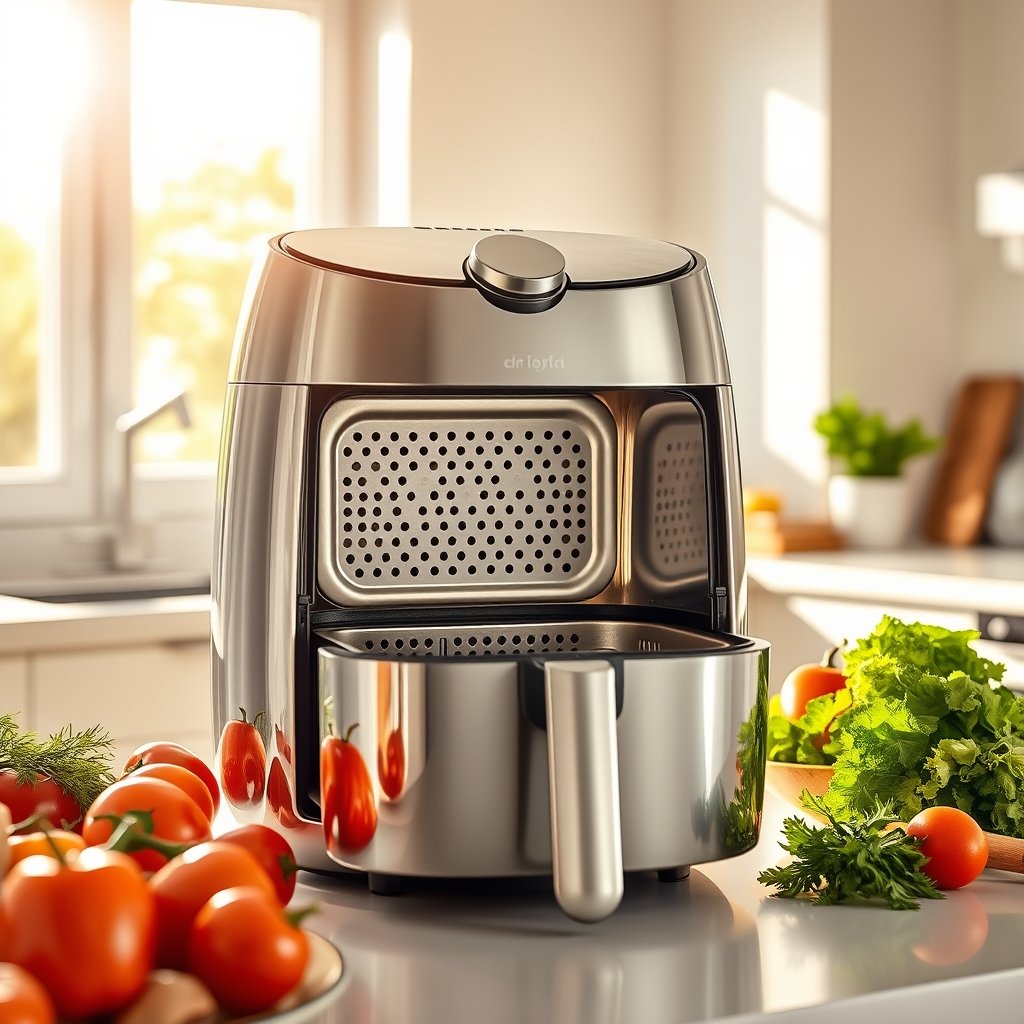
Despite dozens of “stainless steel air fryer” claims on Amazon and brand sites, almost no models offer a 100 percent metal food zone. Most popular air fryers use a plastic basket coated with PTFE (Teflon) or ceramic non-stick, with only a few pricier appliances (like ovens or commercial-grade fryers) offering all-metal internals. Media coverage of European PFAS bans and lawsuits over Teflon cookware has only accelerated the hunt for non-toxic options. However, market research confirms there is no public data on what percentage of 2024–2026 units use true stainless interiors or how these numbers have changed over time.
Step-by-Step Guide: How to Find and Evaluate Stainless Steel Interior Air Fryers
Choosing a genuinely stainless steel interior air fryer is challenging, but the following steps can increase your odds of success and reduce health or safety risks.
- Start With Your Priorities: Decide if 100 percent metal contact with food is your main goal or if you’re also seeking a PFAS/PTFE-free non-stick (like ceramic). If PFAS-free is your primary concern, check our air fryer PFAS free 2026 guide for updated ceramic and glass options.
- Ignore the Marketing—Scrutinize the Specs: “Stainless steel air fryer” usually refers to the outer shell or handle. Look for phrases like “all-stainless basket” or “uncoated metal food chamber.” Insist on inside photos. Leading brands such as Breville have premium-priced models, but even the Breville vs Ninja air fryer comparison reveals most only use a steel tray or rack, not a full interior.
- Compare Technical Specs: Stainless interiors are often seen in oven-style air fryers or convection ovens, not in compact basket fryers. These usually run at higher wattages (1800 to 2000W), occupy more counter space, and sometimes lack easy-release basket mechanisms. Use our air fryer oven combo guide to compare oven models with metal chambers.
- Read Verified Reviews and 3rd-Party Disassemblies: Actual buyer images can expose coated, chipped, or plastic interiors even in “premium” appliances. In user forums and sites like Reddit or the PFAS-free air fryer guide, look for teardown reports and warnings about brands that hide plastic trims or layers inside the basket.
- Confirm Cleaning Needs and Warranty Risks: Bare stainless interiors are extremely durable but can collect baked-on grease or discolor. Many users find these units require scrubbers, not just a wipe. Brands may void warranties if you use abrasives on coated parts that were not disclosed as such. Learn more from our deep-dive on Ninja vs Cosori air fryers for warranty terms and cleaning feedback.
- Beware of Recalls and Safety Reports: Some air fryer models are recalled for overheating, basket warping, or plastic odors. Companies rarely advertise recall status in listings, so always check current advisories (see air fryer recall safety 2026 for info).
It’s also worth noting that most user questions about long-term durability, cleaning ease, and leaching risks remain unanswered in industry reports. As found in sources like Global Market Insights, the published research typically tracks air fryer market growth but not specifics about material trends or user complaints by interior type.
Advanced Analysis & Common Pitfalls
Research from multiple market reports reveals important cautions and limitations:
- Misleading “Stainless” Claims: Many air fryers advertised as “stainless steel” have only a decorative shell, while the basket and crisper plate are plastic or coated aluminum.
- Hidden Coatings: Even pricier models often line the metal basket with a clear non-stick layer, which can degrade over time and is rarely listed in the specification sheet.
- Complex Cleaning: Exposed stainless interiors can discolor from oil and high-heat cooking. They need more elbow grease than non-stick interiors, but this also means no flaking coating over years of use.
- Unexpected Plastic Parts: Even some oven-style air fryers or “metal baskets” hide plastic tabs or gaskets out of sight. These can warp or off-gas at high heat.
| Feature | Stainless Steel Interior | Plastic or Non-Stick (e.g., PTFE/ceramic) |
|---|---|---|
| Food Safety | No PTFE, PFAS or BPA leaching (if uncoated) | Risk of coating flaking, chemical leaching at high temps |
| Durability | Long lifespan, resists scratches, can discolor | Prone to peeling, scratches limit warranty |
| Ease of Cleaning | Needs elbow grease, may stain over time | Easy to wipe (initially), but may chip or degrade |
| Model Variety | Limited, mostly larger oven/fryer combos | Wide—basket, digital, smart, and mini models |
| Price Range (2026 est.) | $180 to $350+ (oven format, Breville, etc.) | $60 to $200+ (from compact to dual basket/wifi) |
For more on how ceramic baskets and glass alternatives stack up against “all metal,” see our ceramic air fryer basket review or coverage of the Ninja Crispi glass bowl air fryer, which skips both metal and PTFE entirely.
Conclusion
A truly air fryer stainless steel interior is still rare, but the trend toward full-metal food zones is growing. Expect to pay a premium and face tougher cleaning, but you’ll also gain a product built for real longevity and peace of mind. Check product internals, read buyer reviews, and demand transparency from manufacturers before purchase. Ready to upgrade your kitchen? Use the strategies above to shop with confidence—and avoid the marketing traps.
FAQ
Are any air fryers made with 100 percent stainless steel interiors and baskets?
Few exist. Most current models called “stainless steel” refer only to the exterior shell. The majority of baskets remain plastic or aluminum with a non-stick coating. Some oven-style air fryers from brands like Breville have all-metal trays, but a fully uncoated basket is still rare.
Is stainless steel better than ceramic or glass for air fryer safety?
Stainless steel is inert and can’t leach chemicals if uncoated, but it isn’t non-stick or see-through like glass. Ceramic can be a safe non-stick alternative, while glass avoids both metal ions and coatings. Your safest bet is to choose based on your tolerance for cleaning effort versus peace of mind about leaching risks.
Why are so few air fryers built with true stainless steel food zones?
Manufacturing cost is higher, making these models less profitable. Consumer demand is rising, but most users still purchase based on price and convenience, so the majority of brands prioritize cheaper coated parts or decorative metal shells over full-metal construction.
How do I know if an air fryer is really PFAS-free and all metal?
Don’t trust front-of-box claims. Read the materials listed in product specs, request interior detail shots, and search teardown or owner reports in forums. Terms like “PFAS-free” can also cover alternative non-sticks, so check for both material and coating type.
What is the cleaning process for stainless steel basket air fryers?
Bare stainless steel will usually need hot water, a brush, and sometimes a stainless steel-friendly scrubber. Avoid abrasives if there’s any clear non-stick layer present, as unseen coatings can still be applied for “easy cleaning.” Dry thoroughly to prevent water spots or discoloration.
—