

appliance garage kitchen solutions have become a top trend for modern homes—especially when you want your counters clutter-free without sacrificing access to your most-used gadgets. Whether you’re squeezing every inch from a small kitchen or just want a more streamlined look, picking the right appliance garage can make or break your workflow (and your design).
Key Takeaways
- Appliance garage kitchen designs like pocket, lift-up, sliding, and corner styles rank highest for small-space efficiency in 2026 (source).
- Essential features include internal sockets, smart door options, and material choices that blend with your cabinetry for a seamless look.
- Watch for pitfalls like lost space, tricky wiring, and outdated dimensions—modern tweaks can solve most common issues.
- What Is an Appliance Garage Kitchen and Why Are They Trending?
- How to Add an Appliance Garage Kitchen—A Practical Step-by-Step Guide
- Advanced Analysis & Common Pitfalls (Read Before You Invest)
- Conclusion & Next Steps
- FAQ: Appliance Garage Kitchens
What Is an Appliance Garage Kitchen and Why Are They Trending?
An appliance garage kitchen is a custom or semi-custom storage solution built into your cabinetry that hides toasters, blenders, coffee makers, and other small appliances behind specialty doors or panels. The purpose is twofold: keep countertops clear and make appliances instantly accessible.
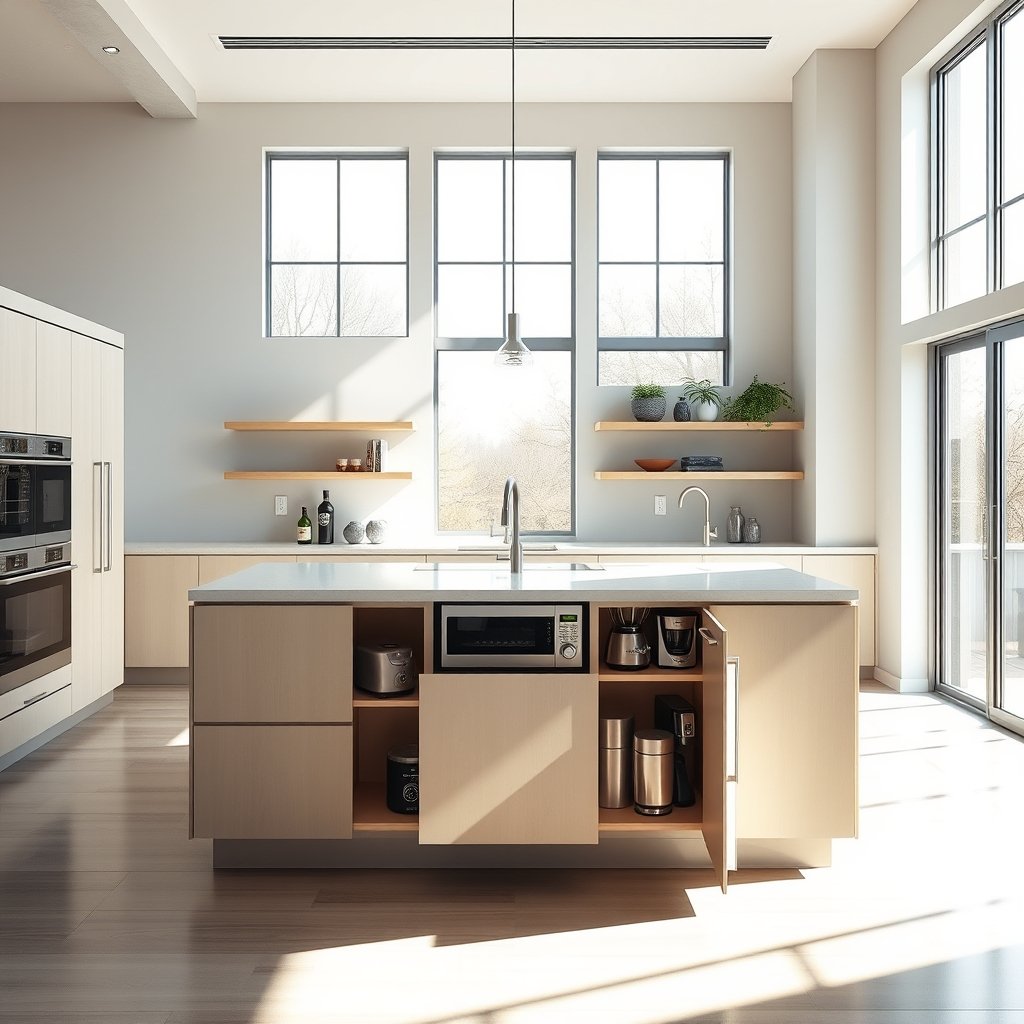
In 2026, the main appliance garage designs that consumers love are:
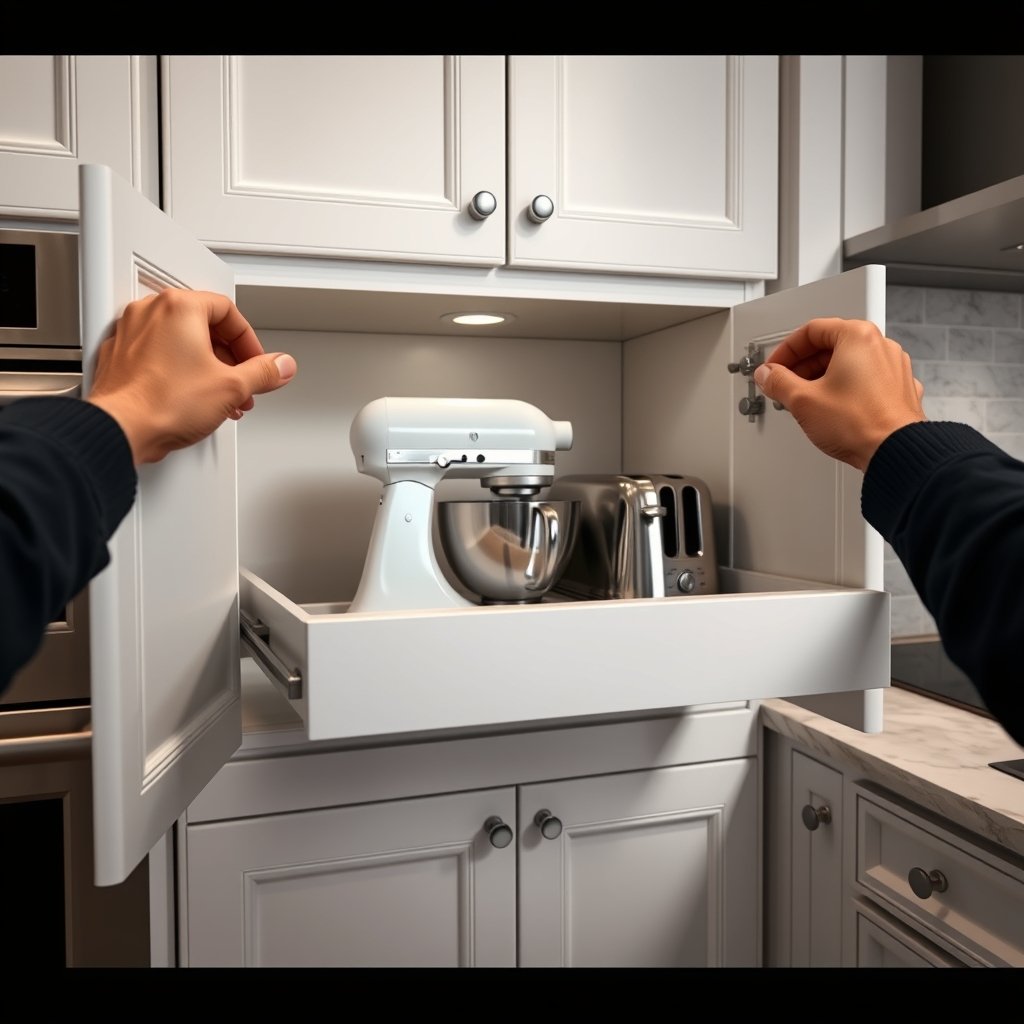
- Pocket doors that slide into the side of the cabinet, leaving nothing in the way [source].
- Lift-up doors on hydraulic or spring-loaded hinges for one-touch access.
- Sliding doors that move sideways into the cabinet wall—minimal and unobtrusive.
- Corner garages that turn formerly wasted counter junctions into usable appliance nooks [see examples].
- Tambour doors—roll-up styles using slim slats that curve gracefully out of the way without requiring extra space in front.
Why does this matter? Modern kitchens—especially in apartments and smaller homes—demand efficiency. Open shelving is stylish but doesn’t hide eyesores or cords. Traditional cabinets can be awkward for storing and powering up heavy appliances. The appliance garage kitchen approach solves both, making your workspace both attractive and functional.
If you often feel like you’re fighting countertop chaos, or if bulky appliances disrupt your kitchen’s style, integrating an appliance garage kitchen is worth a close look.
How to Add an Appliance Garage Kitchen—A Practical Step-by-Step Guide
Here’s a simple, actionable roadmap for planning and installing your own appliance garage kitchen, whether you’re renovating fully or doing it yourself.
- Measure & Plan: Start by mapping where your appliances will live. Don’t just pick a random upper or lower cabinet—think about clearance, door swing, and reach. For small kitchens, prioritize a spot near your most-used counter zone. Use a painter’s tape mockup to visualize door movement.
- Choose Garage Type: Decide among pocket doors, lift-up, sliding, corner, or tambour. For ultra-tight spaces, a tambour or sliding system is ideal; corner garages maximize junction space. Double garages work best if you have a peninsula or island.
- Plan for Outlets: Ensure at least one GFCI-protected socket. If you’re powering several appliances simultaneously, add extra capacity. Place outlets near the back, just above the counter or shelf inside.
- Think Door Material: Match the doors to surrounding cabinetry, or go for contrast (aluminum tambour for modern, camouflaged doors for invisible storage).
- Install or Order: For DIY, use a pre-cut appliance garage kit. For full custom, work with your cabinetmaker on hinge placement, door tracks, and electrical routing.
- Test Functionality: Before finalizing, load your actual appliances and test opening/closing. Adjust shelf height as needed.
- Finishing Touches: Add built-in LED lighting, cord organizers, or internal drawers for accessories like blender blades or coffee pods.
- For more on mixing modern storage with new kitchen tech, see what to consider before upgrading counter appliances.
- Want to futureproof with smart outlets? Check out smart air fryer WiFi integration tips.
- If you’re squeezing every inch from an apartment or micro kitchen, don’t miss portable appliances that work in tiny appliance garages.
Be honest about your skill level. Custom garages can get tricky—lift-up and pocket doors may require pro install for smooth operation and precise alignment. Kits using tambour doors are the easiest DIY: just slide the tracks into place, mount the back panel, and enjoy instant organization.
Advanced Analysis & Common Pitfalls (Read Before You Invest)
It’s easy to get excited about the possibilities—hidden blenders, no visible cords, instant “magazine look”—but what goes wrong most often?
- Lost Usable Space: Especially with older corner garages, a lot of the rear area was wasted and appliances became hard to reach. Modern designs fix this, but if you’re retrofitting an old kitchen, check carefully.
- Door Interference: Pocket and lift-up doors require precise mounting. If you fudge the alignment, doors will rub or bind, making access annoying.
- Power & Cable Tangles: Without a built-in outlet, you’ll end up stringing cords across counters—defeating the purpose. Get your GFCI-protected outlet planned and installed before you fit the cabinet.
- No Standard Sizing: There’s little consensus on garage dimensions. You will need to measure your largest appliance, then add space for airflow and door mechanisms.
- Material Choice: While some sources rave about aluminum tambour doors for durability, little detail exists regarding long-term wear or resistance to kitchen humidity. If possible, choose doors that match your cabinetry warranty.
| Garage Type | Best For | Known Drawbacks | Ease of DIY |
|---|---|---|---|
| Pocket Door | Regular access, full visibility | Needs precise fitting, eats up cabinet sides | Hard |
| Lift-Up Door | One-touch open, large appliances | Needs ample vertical clearance, hinges must be robust | Medium |
| Sliding Door | Small spaces, modern look | Limited opening width, must fit rails well | Medium |
| Tambour Door | Ultra-tight spots, modern/industrial style | Tracks can clog, limited material options | Easy |
| Corner Garage | Maximizes corner counter use | Difficult access to deep corners if not well-designed | Hard |
- Want to compare how tambour doors perform in real high-wear settings? See Houzz’s roll-up appliance garage gallery.
- If using blenders or steam-producing appliances behind doors, crack open for better air flow—or risk moisture damage to surrounding shelves.
- Double up two slim garages side-by-side to separate coffee gear and food prep—a visually balanced hack few designers show. View more creative small-kitchen solutions in Homes & Gardens’ 2026 efficiency roundup.
Conclusion & Next Steps
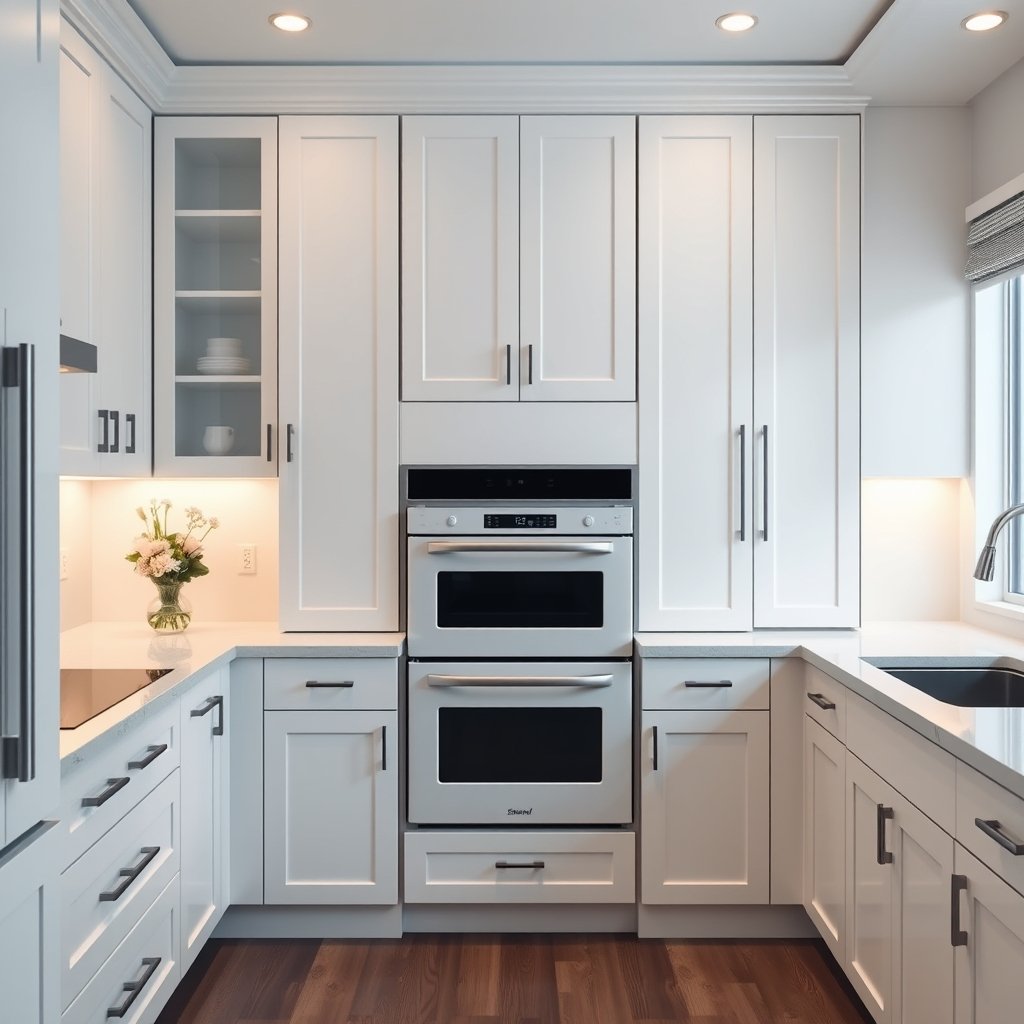
Appliance garage kitchen strategies—done right—can transform even the smallest, busiest space into a tidy, ergonomic cooking zone. Pocket, sliding, lift-up, and tambour doors each solve different layout puzzles. If you prioritize internal outlets, ease of use, and match your cabinet finishes, you’ll avoid most common frustrations. Ready to design your own appliance garage kitchen? Take inspiration from overlooked ideas like camouflaged doors or industrial aluminum tambour. Don’t wait—reclaim your counter and boost your kitchen’s efficiency today.
FAQ: Appliance Garage Kitchens
What is the best door style for a small appliance garage kitchen?
Tambour and sliding doors work best in tight quarters since they don’t need swing clearance. Pocket doors are good if you have enough side space for the panels to retract.
How do I add outlets to a DIY appliance garage?
Install a GFCI-protected receptacle at the rear or side wall, positioned just above your shelf. If you’re not comfortable with electrical work, hire a qualified electrician to stay safe and code-compliant.
Are there standard appliance garage kitchen dimensions?
No, there are no strict standards. Measure your tallest and deepest appliance, add at least 3 centimeters clearance, and make sure the door mechanism is fully operable. Corner garages work for smaller devices, while double garages fit larger layouts.
What are unusual ideas competitors don’t show?
Top under-covered ideas include camouflaged doors that match your backsplash, metallic roller (aluminum tambour) doors for a modern edge, and doubled-up garages placed symmetrically in corners for maximum organization.
Can I retrofit an old cabinet into an appliance garage kitchen?
With the right kit (like tambour door panels or sliding tracks), yes. Make sure to reinforce the back and sides for the door mechanism and add a proper outlet if needed.