

Ceramic air fryer basket reviews are spiking in 2024 because more home cooks are worried about exposure to “forever chemicals” and fume risks in traditional non-stick cookware. If you want a real answer on safety, durability, and if the switch to ceramic really pays off, this guide delivers every critical detail you must know—no sugarcoating or corporate hype.
Key Takeaways
- Ceramic air fryer baskets are PFAS, PTFE, and PFOA free, avoiding toxic fume risks linked to Teflon and similar coatings.
- Durability myths about ceramic are mostly outdated: high-quality sol-gel ceramic resists wear and corrosion better than Teflon at high heat but chips if misused.
- Teflon wins for slick non-stick performance but breaks down above 250°C, releasing chemicals with serious health and environmental consequences.
- What Is a Ceramic Air Fryer Basket and Why Switch?
- Step-by-Step Guide: Choosing, Using, and Maintaining a Ceramic Air Fryer Basket
- Advanced Analysis & Common Pitfalls
- Conclusion: Is a Ceramic Air Fryer Basket Worth It?
- FAQ: Ceramic Air Fryer Basket Safety, Performance & More
What Is a Ceramic Air Fryer Basket and Why Switch?
A ceramic air fryer basket is a metal cooking basket lined with a non-stick mineral-based sol-gel (ceramic) coating instead of Teflon (PTFE/PFOA). The surge in demand for ceramic air fryer baskets is spurred by growing awareness of PFAS “forever chemicals” and their health risks [source]. Ceramic coatings are confirmed PFAS-free, do not emit harmful fumes, and retain integrity at temperatures well beyond most home air frying needs.
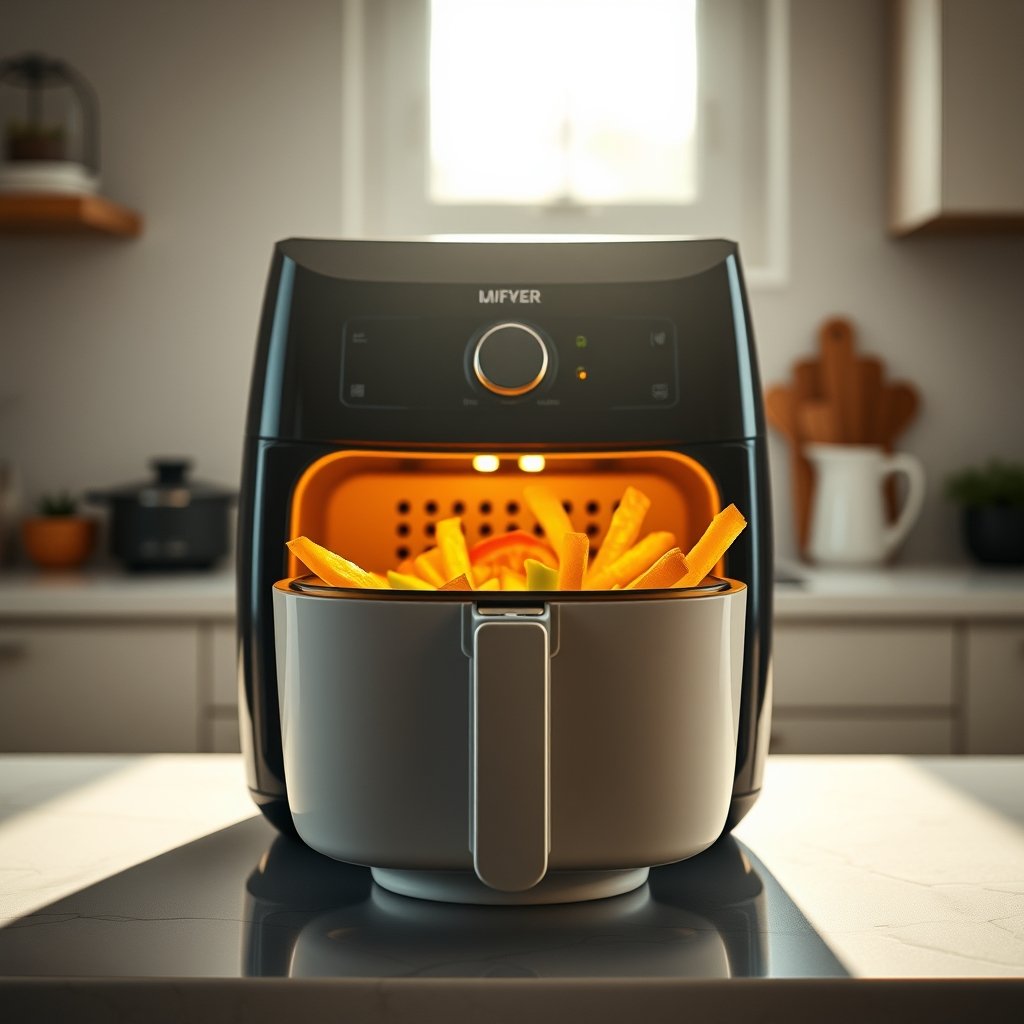
Why consider switching? The main reason: Teflon-coated baskets, when overheated (above 250°C/482°F), degrade and release toxic chemicals. Studies in 2024 underscore Teflon’s breakdown products can cause “polymer fume fever” in humans and can be fatal to birds [source]. The vast majority of Americans already have PFAS in their blood from non-stick exposure [source]. In contrast, quality ceramic coatings are non-toxic, release no hazardous fumes, and offer solid scratch and corrosion resistance—if used properly. Recent lab tests reveal that high-end ceramic outperforms all other coatings for heat stability and eco-friendliness.
For an even deeper look at non-toxic alternatives beyond ceramic, our PFAS-free air fryer guide provides model comparisons and risk breakdowns.
Step-by-Step Guide: Choosing, Using, and Maintaining a Ceramic Air Fryer Basket
Choosing the right ceramic air fryer basket or full appliance—and keeping it in top condition—is straightforward if you follow these actionable steps:
- Pick a reputable brand with proven ceramic coatings. Typhur Sync stands out in 2024 with its Sync (8QT) and Dome 2 (5.6QT) models—both offer sol-gel ceramic, PFAS, and PTFE/PFOA free with excellent heat stability up to 450°F [source]. Each model includes a two-year warranty. Avoid off-brand generics: cheap ceramic chips easily.
- Confirm temperature range and actual coating quality. Look for documentation of PFAS-free testing and high-heat tolerance. Top ceramics hold up to 850°F (450°C), well beyond standard air fry temperatures.
- Use only soft utensils—never metal tongs or forks. Metal tools will eventually scratch through any ceramic layer. Choose plastic, bamboo, or soft utensils.
- Hand-wash gently with a soft sponge. Even if your basket is labeled dishwasher safe, the combination of high-pressure jets, strong detergents, and thermal swings can erode the nonstick layer over time.
- Avoid stacking heavy objects in the basket during storage. The sol-gel ceramic surface, while tough on heat and corrosion, is vulnerable to hard knocks and chipping if dropped or compressed.
- Replace instantly if you notice deep cracks, chips, or exposed metal. Minor wear won’t affect food safety, but exposed metal can rust, and flakes must be avoided.
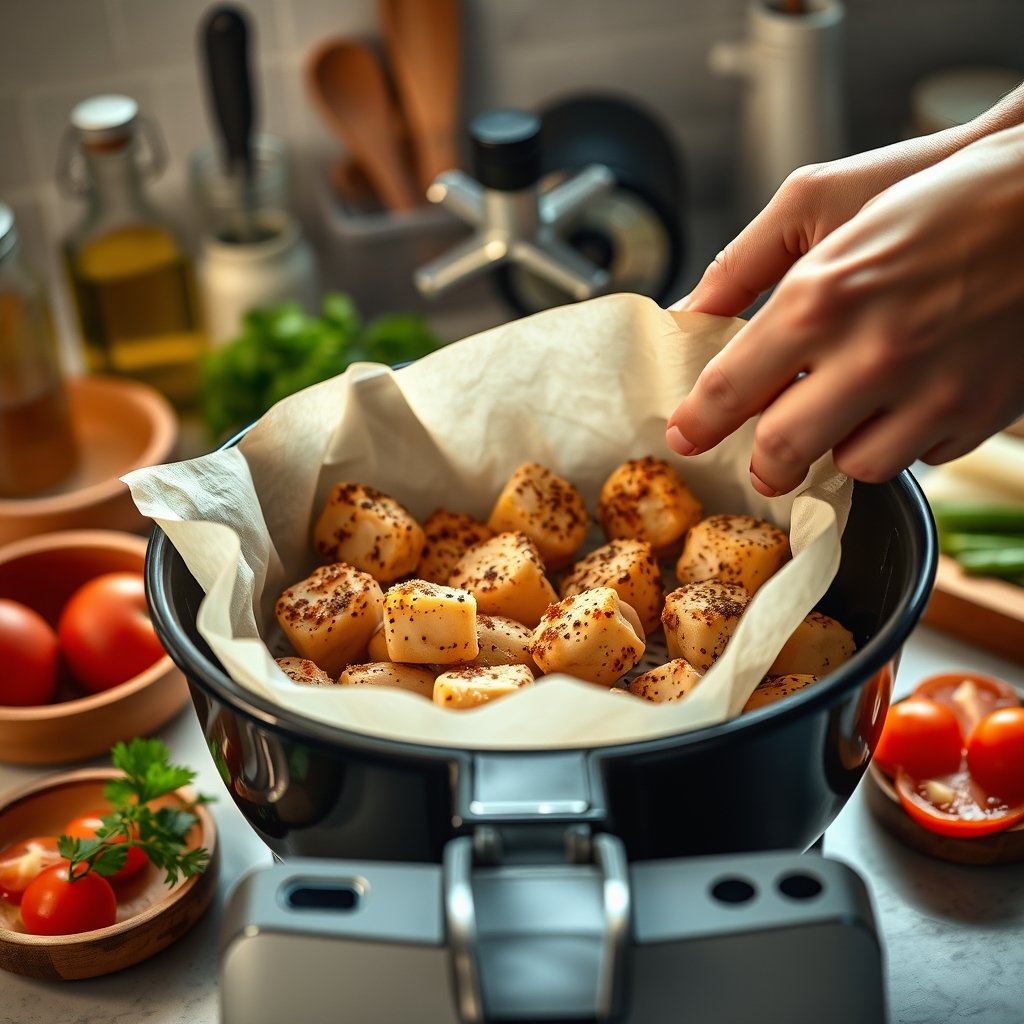
Availability, Cost, and Replacement: While top ceramic models like Typhur Sync and Dome 2 are widely available via premium kitchen retailers, replacement basket pricing isn’t always listed upfront. Warranty coverage (typically two years) is standard for these models. For comparison, Teflon-coated baskets generally do not last as long under heavy use, though they often cost slightly less upfront. If you need longer lifespan and fewer replacements over time, opt for premium ceramic. Considering larger families? See our large air fryer guide for suitable PFAS-free options.
For those considering multi-zone or smart air fryers, our dual zone air fryer guide and WiFi smart air fryer explainer review features across top brands, including ceramic-coated models.
Advanced Analysis & Common Pitfalls
It’s critical to weigh real-world weaknesses alongside the strengths of ceramic air fryer baskets. Here are the most common user complaints, advanced findings, and direct Teflon-vs-ceramic comparisons:
- Chipping Is the #1 Real-World Ceramic Weakness: Ceramic can chip if scraped hard with metal, knocked, or exposed to rapid temperature swings. Lab tests show high-quality sol-gel ceramics resist this, but not all brands use the same formula [source].
- Teflon Wins in “Slippery-ness” Tests (Initially): In 2024 pancake-batter removal tests, Teflon coatings outperformed ceramics for easy-release non-stick—the slipperiness lasted longer under repeated use [source]. Ceramic smoothness tested at 0.74 µm (excellent).
- Teflon’s Downside: Health and Environmental Risks: Releasing fumes above 250°C (482°F) is not rare in real kitchens, not just in lab abuse tests. These byproducts travel into food, kitchen air, and the water supply after disposal.
- Ceramic’s Downside: Real-World Wear Depends on Handling: Lab wear tests show ceramic wins on corrosion and heat, but chips faster than Teflon if abused. Using soft tools and hand-washing extends life significantly.
- Recyclability and End-of-Life: Ceramic-coated baskets use sand-derived mineral coatings and are PFAS/PTFE/PFOA free, so they don’t pollute water or persist in the environment after disposal. Teflon/PTFE is a documented “forever chemical,” present in the bloodstreams of 95% of Americans [source].
| Feature | Ceramic (Sol-Gel) | Teflon/PTFE |
|---|---|---|
| PFAS/PTFE/PFOA Content | None | Yes |
| Max Safe Heat | 450°C (842°F) | 250°C (482°F) |
| Non-Stick Durability | Good, lifespan varies (chips if abused) | Superior (slippery for longer) |
| Fume Risk | None | High when overheated |
| Chipping Risk | Moderate (from misuse) | Low (peeling if abused) |
| Environmental Impact | Low (sand-based, PFAS-free) | High (“forever chemicals”) |
Several high-profile guides downplay either chipping risk or Teflon toxicity. To see how other brands compare, our Ninja vs Cosori air fryer comparison and Ninja Crispi glass bowl review
Conclusion: Is a Ceramic Air Fryer Basket Worth It?
Ceramic air fryer baskets offer a clear safety edge—no PFAS, PTFE, or PFOA, and no toxic fumes even at the highest home-cooking temperatures. Although ceramic non-stick can chip with rough use, high-quality models like Typhur withstand years of everyday roasting if you handle them carefully. Teflon may slide pancakes off more easily, but the cost to your health and the environment is proven and no longer worth the risk. Want safer, greener air frying? Prioritize a ceramic air fryer basket for your next upgrade. Need help finding the right size or model? Check out our PFAS-free air fryer buying guide and start cooking smarter today.
FAQ: Ceramic Air Fryer Basket Safety, Performance & More
Are ceramic air fryer baskets completely non-toxic?
Yes, top-tier ceramic air fryer baskets are PFAS, PTFE, and PFOA free. Always confirm “sol-gel” or mineral-based ceramic is specified and third-party tested for chemicals.
How do I prevent ceramic air fryer baskets from chipping?
Never use metal tools, drastic temperature changes, or harsh abrasive pads. Allow your basket to cool before soaking and use soft utensils only.
Can I put my ceramic basket in the dishwasher?
Most are labeled dishwasher safe, but repeated dishwasher cycles can shorten coating life. Hand wash gently to ensure longevity.
How does ceramic non-stick compare to Teflon?
Teflon is initially slicker and lasts longer for non-stick, but ceramics are safer and more stable at high heat. Ceramics do not release toxic fumes or polluting chemicals.
Is there a better “forever” alternative to coated baskets?
Glass bowls (like in Ninja Crispi) or pure stainless steel baskets are ultimate options for safety and zero chemical risk. See our Ninja Crispi review for details.
—