

How long to cook salmon in air fryer is a question that can make or break your meal—get it wrong and you’ll end up with dry, stuck-to-the-basket salmon instead of flaky perfection. In this actionable guide, you’ll discover not only the exact times and temperatures to use, but the science and practical tricks to ensure your air-fried salmon hits the sweet spot every time, whether frozen, fresh, skin-on, or skinless.
Key Takeaways
- Air fry fresh 1-inch salmon fillets at 400°F for 7 to 10 minutes; frozen fillets need 2-4 minutes more or partial thawing for best results.
- Prevent sticking and dryness by patting salmon dry, lightly oiling, preheating the air fryer, and monitoring doneness with a thermometer or fork.
- Wild, thinner, or tail-end fillets cook faster; always aim for an internal temperature of 145°F for safe, flaky salmon.
- 1. The Core Concept
- 2. Step-by-Step Guide
- 3. Advanced Analysis & Common Pitfalls
- 4. Conclusion
- 5. FAQ
The Core Concept: How Long to Cook Salmon in Air Fryer and Why It Matters
Cooking salmon in your air fryer is fast and hands-off, but time and temperature are not one-size-fits-all. Thick fillet, frozen or fresh, skin or no skin—these details change what’s optimal. While there’s no single universal standard, most experts and home cooks agree that 400°F for 7 to 10 minutes is your baseline for a 1-inch thick, fresh salmon fillet. For frozen fillets, add a few minutes or use a two-step cooking method. Always ensure the center reaches internal temperature of 145°F for safety and the best flaky texture (see research).
Step-by-Step Guide: Cooking Salmon in the Air Fryer
-
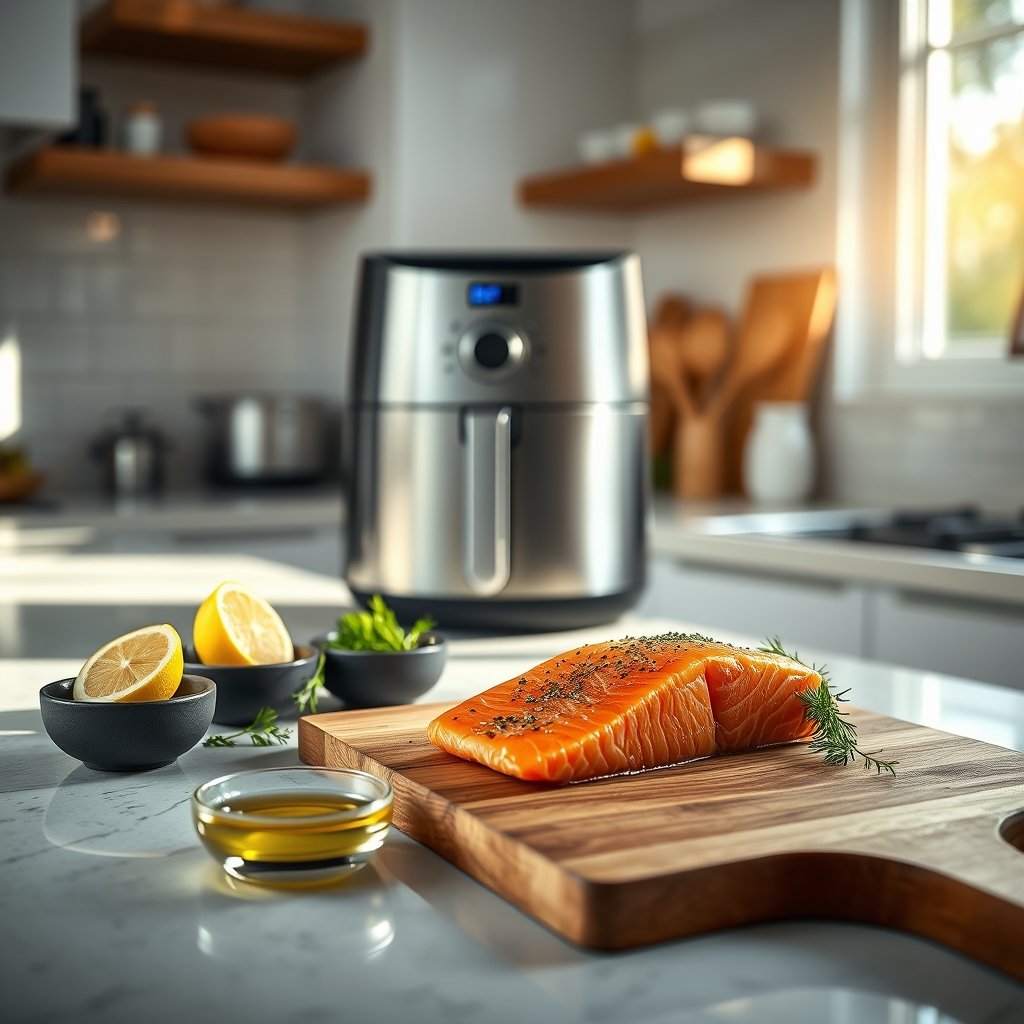
Choose and Prep Your Fillet.
- Fresh salmon fillet (1-inch thick): Pat dry with paper towels. Remove pin bones if needed.
- If skin-on: For extra crisp, score the skin lightly in a crosshatch pattern.
- Frozen fillet: No need to thaw, but remove ice glaze if present and pat dry.
-
Preheat Your Air Fryer.
- Preheat to 400°F for 3 to 5 minutes. This prevents sticking and ensures an even, crispy exterior.
-
Oil and Season Generously.
- Brush salmon with oil—especially the skin—and season with sea salt and spices of your choice. For best skin crispiness, oil the skin side heavily.
-
Arrange Fillets in the Basket.
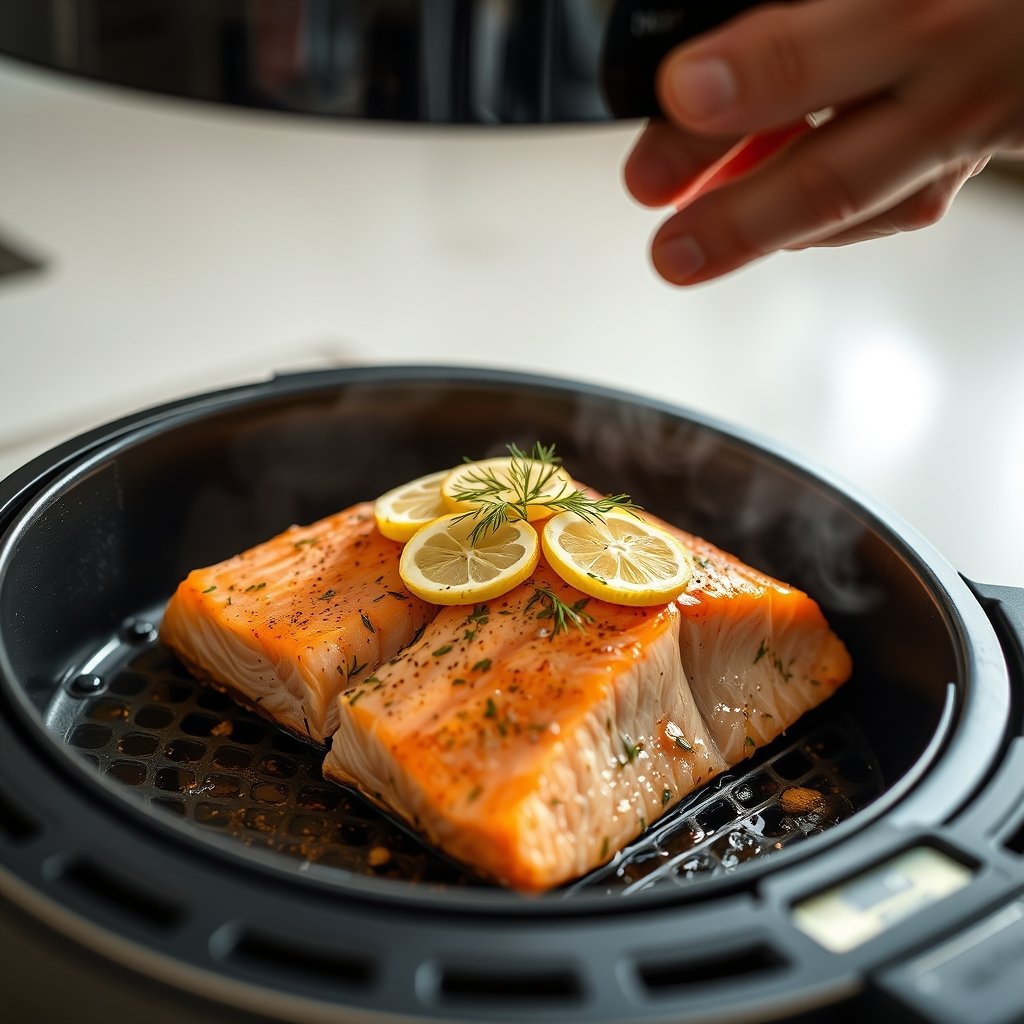
- Place salmon skin-side up if crisp skin is desired. Do not overcrowd—give each fillet space for the hot air to circulate.
- For extra insurance against sticking, line the basket with a perforated liner or foil coated with non-stick spray.
-
Cook at the Right Temperature and Time.
- For a 1-inch fresh fillet: 400°F for 7 to 10 minutes.
- For frozen: 390–400°F for 10 to 12 minutes (check halfway and flip if skin-on).
- Adjust for thickness: add 2–3 minutes for each extra half-inch; subtract for thin/tail pieces.
- Flip halfway for even crisping, especially if you want crispy skin.
-
Check Doneness.
- Use a thermometer to ensure the thickest point is 145°F, or test with a fork—it should flake easily. Pull at 140°F; carryover heat will finish the job.
-
Rest and Serve.
- Let rest for 2 minutes before serving. This helps juices redistribute and keeps your salmon moist.
- Pair with air fried vegetables for a quick meal. See our guide for diabetics for healthy side ideas.
Want more clever tips for batch meal prep and large families? Check out our air fryer for large families guide for pro-level strategies.
Advanced Analysis & Common Pitfalls
Even with good instructions, many users face frustrating issues when cooking salmon in an air fryer. Here’s what goes wrong and how to avoid it:
- Overcooked salmon: Dry, tough fillets happen due to thin pieces, neglecting to preheat, or not checking doneness. Use fillets of similar thickness and pull the salmon just before it reaches 145°F.
- Sticking to the basket: Moisture causes sticking—always pat dry thoroughly and oil the skin or basket well. A non-stick liner or foil with spray also helps.
- Lack of crispiness: Overcrowding or skipping the preheat step leads to soggy edges instead of a crisp finish. Always batch cook if necessary, especially with multiple fillets.
- Inconsistent results between air fryer models: Every air fryer heats slightly differently. Start with published times, but always use a thermometer the first few tries.
- Wild vs. farm-raised vs. portion size: Wild salmon cooks faster. Tail ends are thinner and cook more quickly than center cuts. Adjust times as needed based on these factors.
| Portion Type | Temperature | Time | Notes |
|---|---|---|---|
| Fresh, 1-inch (skin-on/skinless) | 400°F | 7-10 min | Firm and flaky (source) |
| Fresh, thick (>1 inch) | 400°F or 380°F | 10-12+ min | Add 2-3 min per extra half inch |
| Fresh, thin (<1 inch) | 400°F | 5-7 min | Tail pieces cook fastest |
| Frozen fillet | 390-400°F | 10-12 min | Partial thaw or extend time; always check 145°F |
| Skinless vs. skin-on | 400°F | Same as above | Skin-on crisps better; no major time change |
400°F vs. lower temperatures: 400°F gives crisp edges and a golden exterior but can overdry thin fillets if overcooked. Lower temps like 380°F or 350°F (and longer times) can give moister results, especially if you use glazes or want to avoid burning sweeter marinades. Most people still prefer 400°F for maximum crispiness if you monitor carefully (see here).
Curious how all this compares to pan-searing or baking? While direct calorie/fat numbers are rare, air frying uses less oil than pan-searing (often 1-2 tbsp less per batch), which can save 20–50 calories per 6-ounce fillet. For detail on low-fat air fryer meals, check out our air fryer health guide.
- If you’re using a dual basket or large-capacity fryer for batch meal prep, see our meal prep strategies to maximize yield and texture.
- If PFAS or non-stick coating safety is a concern for your household, our ceramic air fryer review covers safer basket choices.
- Looking to compare air fryer models for fish prep? See our deep dive into Ninja vs. Cosori air fryer performance and features.
Conclusion
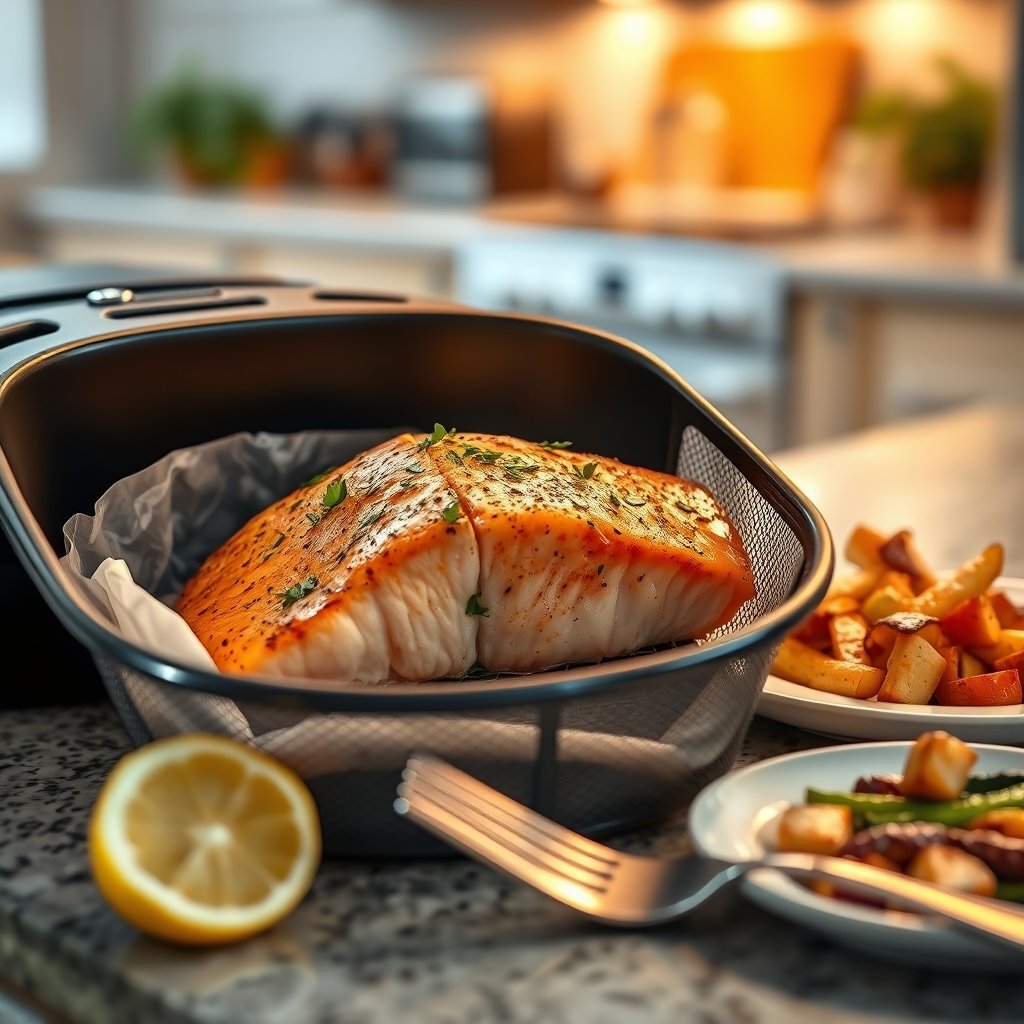
Salmon in the air fryer delivers an unbeatable combination of speed, nutrition, and crisp texture—as long as you get the timing right. Remember: for perfect results, cook your fillet at 400°F for 7 to 10 minutes if fresh and 10 to 12 minutes if frozen (always check for 145°F internal temp). Avoid common mistakes by patting dry, preheating, and letting the air circulate. Use these tips the next time you wonder how long to cook salmon in air fryer—and enjoy foolproof, restaurant-quality fish without the guesswork.
Ready to take your air fryer cooking to the next level? Explore more expert reviews and comparison guides on air fryer models, or dive into our PFAS-free air fryer picks for the safest, tastiest results at home.
FAQ
How do I keep salmon from sticking to the air fryer basket?
Pat the fillet completely dry before cooking. Brush both the fish and the basket (or liner) with oil. Preheating also helps prevent sticking. For extra insurance, use a perforated liner or foil.
Can I cook frozen salmon fillets in the air fryer without thawing?
Yes, you can cook frozen fillets directly. Increase the time to 10–12 minutes at 390–400°F, and check for doneness at 145°F internal temperature. For best texture, consider a two-step method: partial thaw, then finish cooking.
Should I cook salmon with the skin on or off in the air fryer?
Either is fine—skin-on usually gets crispier with proper preheating and oil. Score and pat the skin dry, place it skin-side up at first, and flip halfway for even browning.
Why is my salmon sometimes dry or overcooked?
Common causes are thin fillets, uneven sizes, skipping preheating, or overcooking past 145°F. Always use similarly thick cuts, pull at 140°F, and let rest to finish cooking with carryover heat.