

Key Takeaways
- Ninja air fryers generally use higher wattage than Philips, but both can save up to 50% energy versus ovens.
- You can estimate your real costs using a simple formula: (Wattage × Cooking Time × Number of Uses) ÷ 1000 × Electricity Rate.
- Actual energy savings depend on how you cook, what functions you use, and whether you avoid hidden pitfalls like excessive preheating.
- Understanding Ninja vs Philips Air Fryer Energy Consumption
- How to Calculate and Reduce Your Air Fryer Energy Cost
- Advanced Energy Analysis and User Pitfalls
- Conclusion
- FAQ: Ninja vs Philips Air Fryer Energy Consumption
Understanding Ninja vs Philips Air Fryer Energy Consumption
If you want to compare the energy consumption of Ninja and Philips air fryers in 2024, it all comes down to wattage and cooking habits. Ninja air fryers like the AF161 have wattages from 1750W up to 2470W for dual-zone models. Philips typically uses a bit less: from 1400W (3000 Series Compact) up to 1725W (Philips HD9630/98). This means, on average, a Philips will cost slightly less per use, but actual savings depend on what temperatures and features you choose.
What’s consistent: Both use far less energy than a conventional oven (usually 2000-5000W), with brands generally claiming up to 50% savings. Still, precise energy consumption for different foods and portion sizes is rarely published or standardized. DC motors, variable fan speeds, and smart preheating have made both Ninja and Philips more efficient in recent years, but wattage remains your best real-world benchmark.
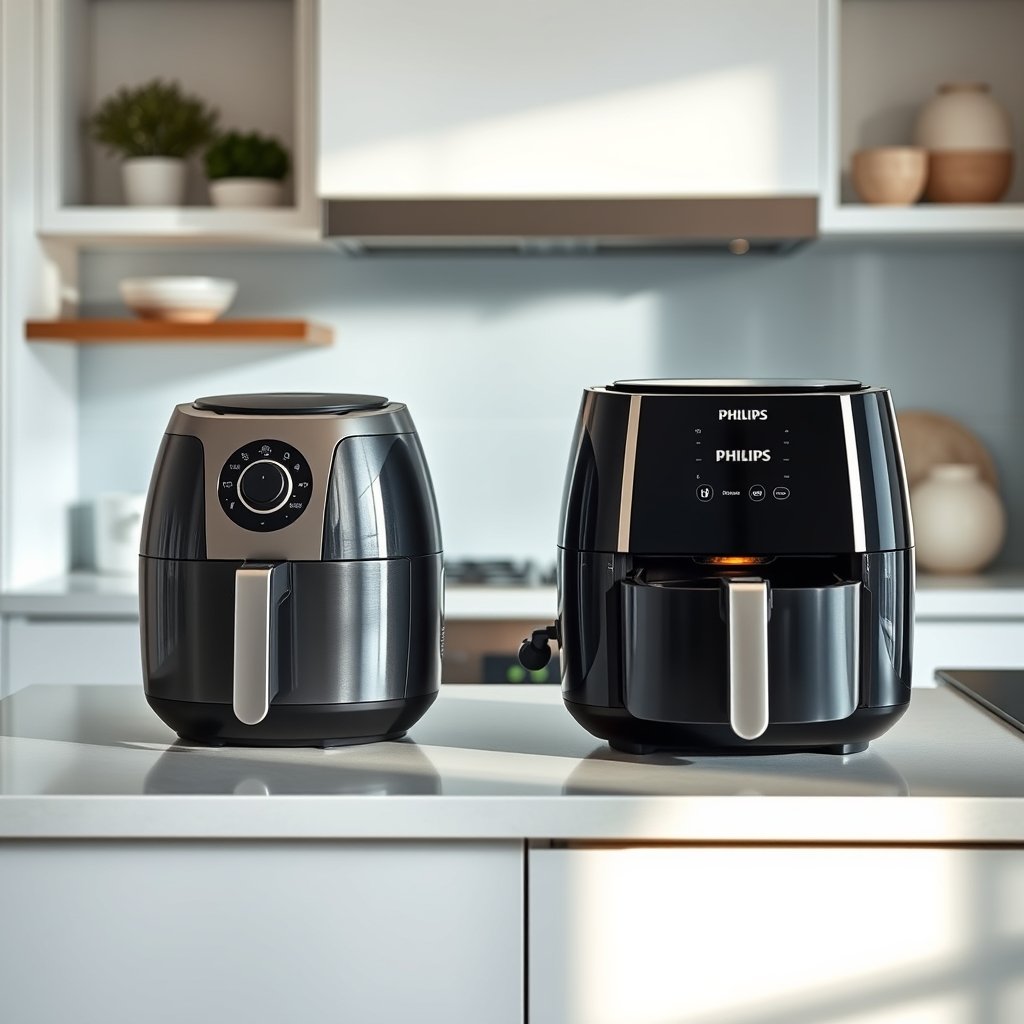
To see a granular head-to-head on overall performance and features, check out this Philips vs Ninja air fryer comparison or for a competition against other top brands, read our extensive Ninja vs Cosori air fryer breakdown.
How to Calculate and Reduce Your Air Fryer Energy Cost
Calculating your monthly or yearly energy cost for using a Ninja or Philips air fryer is straightforward with this formula. All you need are three details: the wattage of your air fryer (from its manufacturer’s label), your average cooking time per use, and your local electricity rate (in $/kWh).
- Find your air fryer wattage. Example: Ninja AF161 = 1750W. Philips HD9630/98 = 1725W. Confirm on the appliance sticker or user manual. See full specs on Versus.com and Proscenic blog.
- Estimate your average cycle time. Air fryer recipes typically run 20-30 minutes. For this example, we’ll use 0.5 hours per use.
- Calculate your kWh per cycle:
kWh per cycle = (Wattage × Hours) ÷ 1000
For Ninja AF161: (1750 × 0.5) ÷ 1000 = 0.875 kWh
For Philips HD9630/98: (1725 × 0.5) ÷ 1000 = 0.8625 kWh - Multiply by uses per month/year. If you use your air fryer 30 times a month: 0.875 × 30 = 26.25 kWh for Ninja.
- Multiply by electricity rate. Example: US average is $0.16/kWh in 2024.
Monthly cost: 26.25 × $0.16 = $4.20 (Ninja), 25.88 × $0.16 = $4.14 (Philips). - Yearly cost: Multiply the monthly by 12: $50.40 (Ninja) and $49.68 (Philips), assuming usage holds steady.
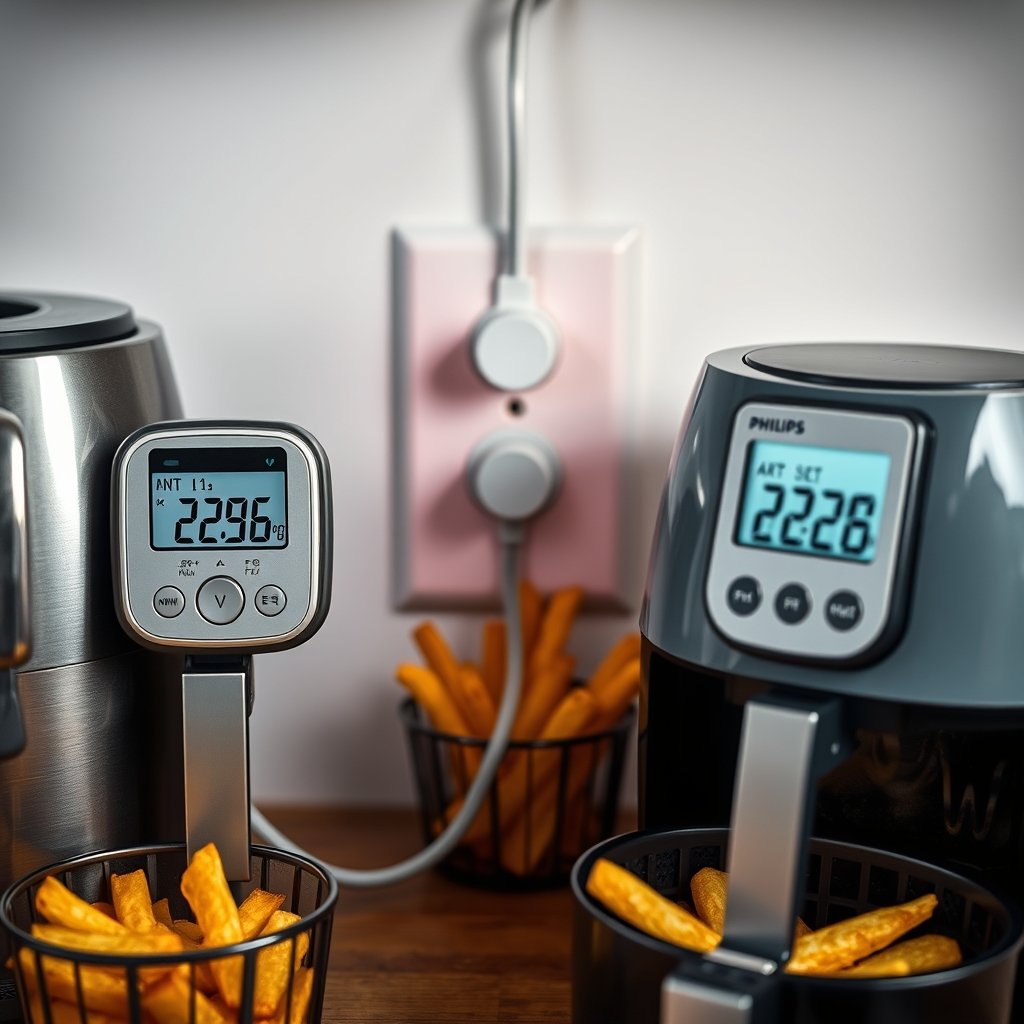
For less common energy-saving innovations, some recent models use DC motors, variable fan speeds, and advanced preheating to cut “wattage waste.” In particular, the Swan Nordic Duo and select Ninja models claim 50% less energy use versus ovens, though these claims lack independent standardization (YourHomeStyle).
Want more large-capacity tips for energy efficiency? Explore the best family-size air fryers for batch cooking, or compare multi-basket vs single-basket for saving time and energy in our dual vs single basket explainer.
Advanced Energy Analysis and User Pitfalls
While Ninja and Philips both promise energy-saving credentials, several hidden factors could undermine your savings or inflate your bills. Let’s look realistically at what can go wrong—and what advanced users should check before relying on claimed efficiency numbers.
| Attribute | Ninja Air Fryer | Philips Air Fryer | Conventional Oven |
|---|---|---|---|
| Wattage | 1750–2470W | 1400–1725W | 2000–5000W |
| Example Cost/Cycle (0.5hr) | $0.14 | $0.14 | $0.32–$0.40 |
| Typical Max Temp | 450°F | 400°F | 450°F+ |
| Smart/Eco Modes | Variable fan speed, DC motors (select models) | Twin TurboStar, fast airflow | Basic, preheat times high |
- Missing Data: Most brands, including Ninja and Philips, do not publish kWh per standardized test cycle by food or fill level. This makes real-world comparison tricky.
- Settings Affect Use: High fan speeds, “Max Crisp” or dual baskets increase real wattage. Lower or eco modes save power but may not suit all recipes.
- Portion Size Pitfalls: Small batches waste more per meal than full loads. Ovens are even less efficient for tiny portions.
- User Behavior: Unnecessary preheating or idle “keep warm” mode adds hidden energy cost.
- No Verified Billing Complaints: User reviews rarely mention high bills—from energy use alone—but long-term costs still add up for heavy air fryer users.
Looking for health or safety in your next air fryer alongside energy efficiency? Consider toxin-free models like the new Ninja Crispi, recently named #1 PFAS-free air fryer by CNET. See our PFAS-free air fryer guide for the safest coatings and best eco picks.
Conclusion
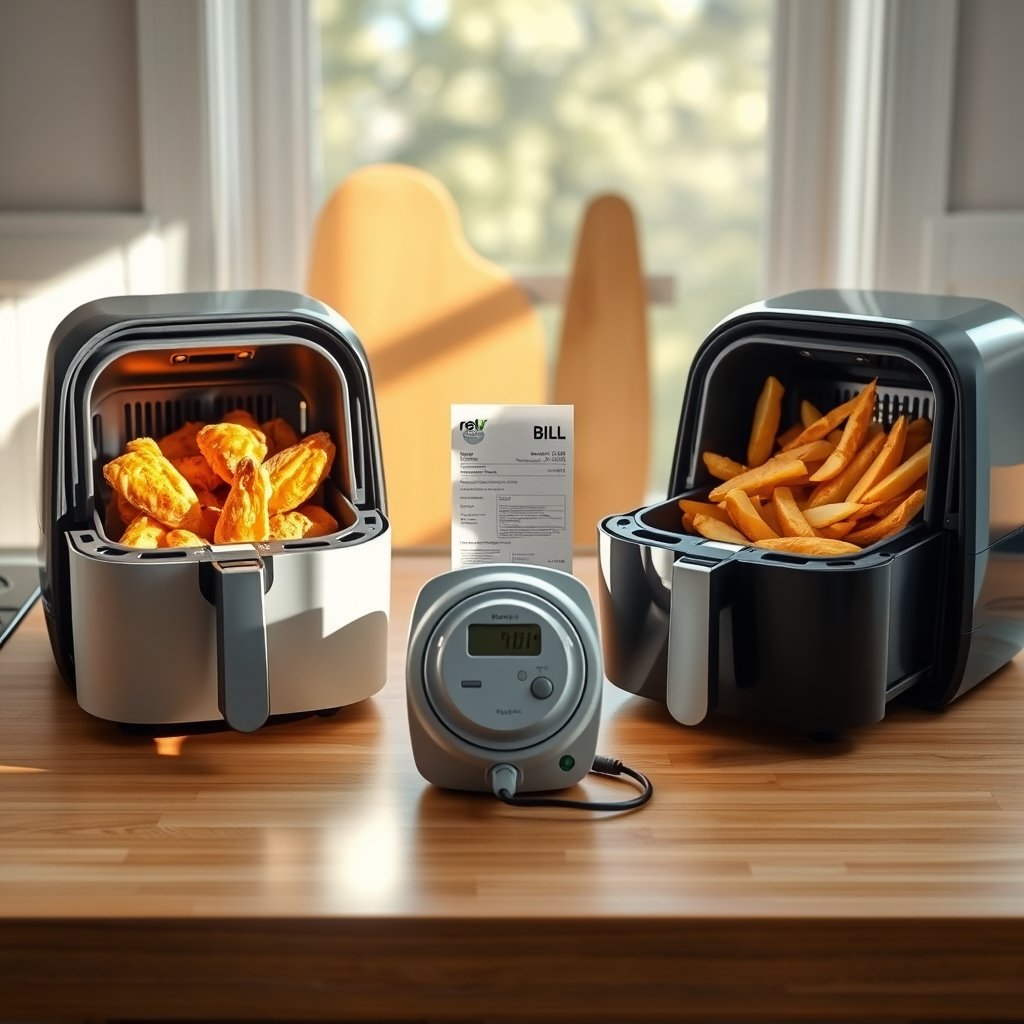
In the battle of Ninja vs Philips air fryer energy consumption, both brands offer far better efficiency than full-size ovens, with Philips typically a bit lower on wattage but Ninja touting faster cook times and more features. Your actual electricity cost is easy to estimate using their power ratings and your own usage patterns. As always, thoughtful use—batch cooking, the right settings, and minimal preheat—boosts your energy savings most. Want to optimize even further? Explore our latest 2026 air fryer model reviews and deep-dive buying guides before upgrading. Ready to make the switch to smarter, cleaner cooking? Calculate your own numbers and choose the model that powers your kitchen and protects your budget.
FAQ: Ninja vs Philips Air Fryer Energy Consumption
Do Ninja air fryers really use more electricity than Philips?
Ninja air fryers typically have higher wattage ratings (up to 2470W for dual basket models) than most Philips models (maxing out around 1725W), but real-world cost depends on how and how often you use them.
How do air fryers compare to standard ovens for energy use?
Both Ninja and Philips air fryers can use up to 50% less energy per cook than traditional ovens, especially for small or medium portions, since ovens take longer to heat and aren’t efficient for single servings.
Does preheating the air fryer waste energy?
Frequent or unnecessary preheating adds to your energy consumption. Many Philips models don’t require preheat, while Ninja’s fast preheat is best used for certain recipes. Limit preheat time to save energy.
Are there any hidden costs or energy drawbacks?
If you use high-temp or rapid modes (like Ninja’s Max Crisp), energy use goes up. Leaving your air fryer idle or running “warm” modes will consume more power than necessary. Always turn it off right after use.
What’s the easiest way to compare the cost of different air fryer models?
Look at the wattage, multiply by average cook hours, then apply your electricity rate: (Wattage × Hours) ÷ 1000 × price per kWh. This works across all brands for real energy cost comparison.