

Philips air fryer vs Ninja is a comparison you cannot avoid if you’re shopping for a reliable, versatile air fryer in 2024. Both brands are global leaders in the booming air fryer market, but knowing what really sets them apart is critical before you hit “buy”.
Key Takeaways
- Philips leads with a slightly larger global market share than Ninja, but both are among the best-selling air fryer brands worldwide.
- No recent independent test data exists comparing Rapid Air (Philips) and Cyclonic (Ninja) technologies for performance, energy use, or durability.
- Shoppers struggle to find long-term reliability and after-sales insights for either brand due to lack of detailed consumer reports and warranty data.
The Core Concept
When comparing Philips and Ninja air fryers, you’re choosing between two reputable brands, each with distinct technology and a global presence. Philips, headquartered in the Netherlands, introduced the iconic Airfryer series, now holding about 20% of the world market and reportedly selling over 5 million units annually [source]. Ninja, owned by SharkNinja, closely follows with around 15% global share and approximately 4 million annual unit sales. Both have become household names in regions led by strong US demand, especially as air fryers continue to grow in popularity.
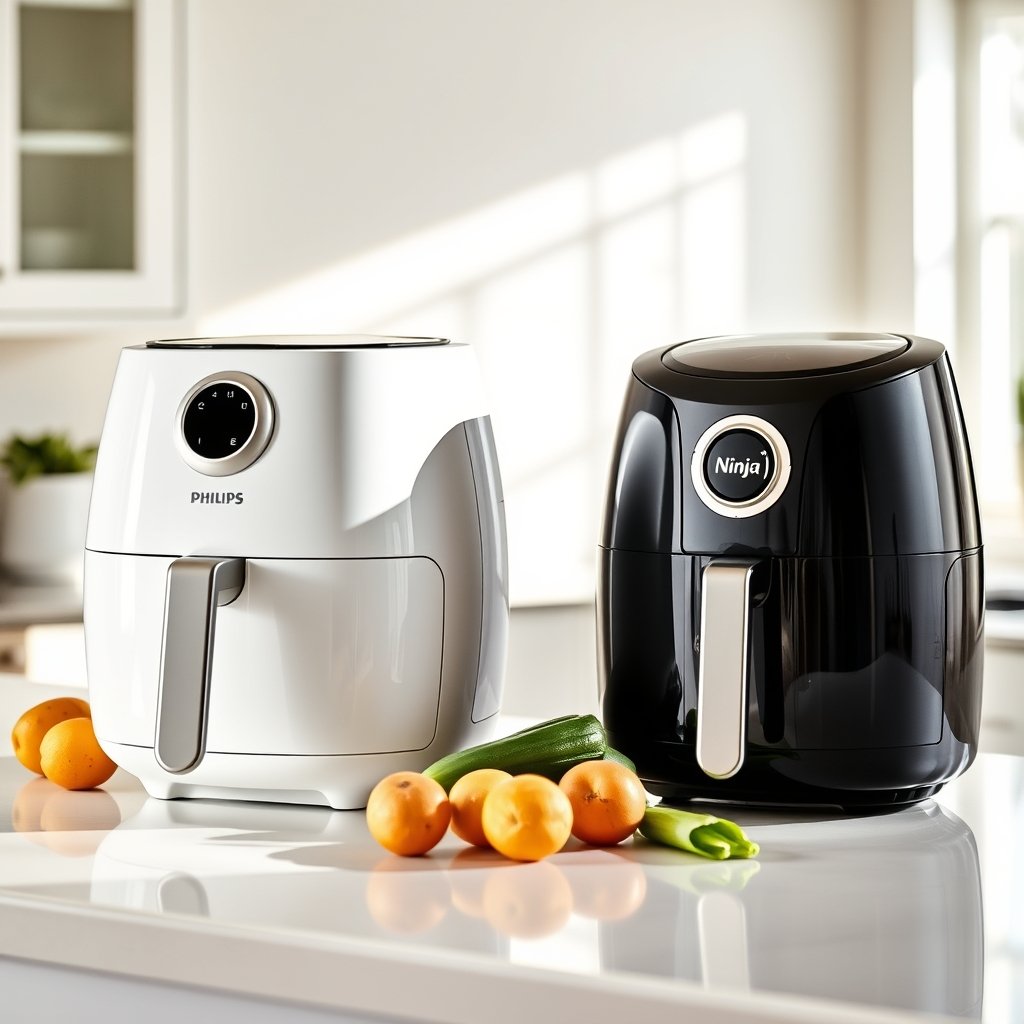
Both Philips and Ninja focus on convenience, time savings, and a promise of healthier fried food with little or no oil. Yet, what’s rarely obvious to shoppers is just how different—or similar—these products are outside of marketing claims. While the Philips Rapid Air system tends to be praised for even cooking, Ninja leans in with its Dual Zone and Cyclonic air technologies. If you want a broader sense of air fryer competitiveness, check out our analysis of Ninja vs Cosori air fryer for another popular matchup.
Step-by-Step Guide
To make an informed Philips air fryer vs Ninja decision, follow these practical steps:
- Define Your Needs
Will you use the air fryer for singles, couples, or a family? Are specialty functions like grilling, roasting, or baking important? - Compare Specifications for Latest Models
Philips’ Signature Series 2024 offers a 7.3L basket with seven-layer fast air tech, while Ninja’s DoubleStack 2024 targets families with compact vertical stacking. Both offer dual-basket options for multitasking, but keep in mind that fine technical specs for 2026 models aren’t available. - Investigate Durability and Ease-of-Use
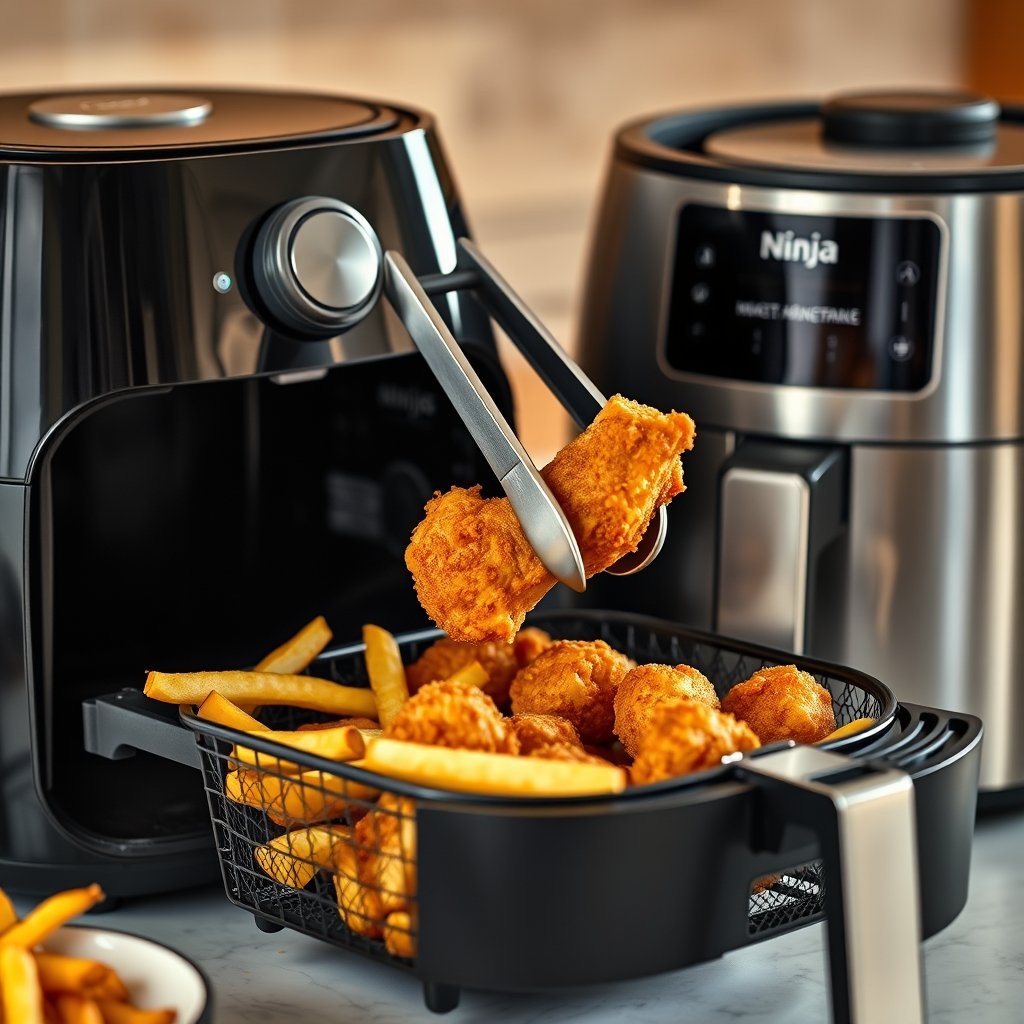
With little independent feedback from 2024 data, consider searching niche forums or verified buyer reviews to spot trends overlooked by major sites. Some buyers report confusion with Ninja’s control panel, while Philips owners occasionally note basket alignment issues—but not enough consistent complaints are documented as of mid-2024.
- Check for warranty and support
As of mid-2024, detailed comparisons of Philips vs Ninja warranties are missing. Consider saving your purchase receipt and registering your product online for hassle-free service if issues arise. - Benchmark Pricing to Value
Without up-to-date MSRP or street pricing (2024), check reputable retailers and watch for seasonal deals. Premium models often command $200+ while entry-level units can be found below $100—actual value is influenced by features, support, and real-world longevity. - Explore Advanced Air Fryer Features
Features like dual baskets (Philips 3000 Series, Ninja Dual Zone) can double your meal output or keep foods separate. See our in-depth guide on large basket air fryers for more creative uses and space-saving tips.
Advanced Analysis & Common Pitfalls
When weighing Philips air fryer vs Ninja, users and reviewers tend to rely mostly on anecdotal evidence. Here are some pitfalls and realistic issues to watch out for based on market research and device features.
| Feature | Philips | Ninja |
|---|---|---|
| Global Market Share (2024) | ~20% [source] |
~15% [source] |
| Tech Highlight | Rapid Air (even cooking) [source] |
Cyclonic Air (Dual Zone Technology) |
| Latest Model (2024) | Signature Series (7.3L), 3000 Dual Basket | DoubleStack 2024, Dual Zone Basket |
| User Complaints | No consistent negatives found in 2024 data | No consistent negatives found in 2024 data |
| Warranty Info | Not disclosed in market reports | Not disclosed in market reports |
| Long-term Support | Insufficient independent data | Insufficient independent data |
| Price Range (est.) | Not disclosed (entry models <$100, premium $200+ likely) | Not disclosed (entry models <$100, premium $200+ likely) |
Other pitfalls include assuming all models within a brand offer the same features—functionality can vary widely from one series to another. Buyers looking for a true multi-cooker might be interested in the expanded features seen in newer models. For example, Ninja’s recent launches are featured in our detailed Ninja Crispi vs Ninja Foodi analysis, especially for cooks worried about Teflon or non-stick coatings.
Finally, many top competitor articles ignore three key topics you should keep in mind:
- No brand-specific US sales data: Even high-authority sources do not reveal which brand leads in the United States.
- Lack of model-level reliability scores or long-term satisfaction metrics: There’s little to no data on return rates or post-warranty lifespans for Philips versus Ninja.
- No direct lab-tested performance comparisons: Core technology claims (Rapid Air vs Cyclonic) have yet to be proven in side-by-side independent trials.
If you want another view on how Ninja stacks up to competitors, our Ninja vs Cosori air fryer breakdown investigates performance and trust rankings across recent releases.

Conclusion
Choosing between Philips and Ninja requires balancing current features, local support, and realistic expectations. Both are trusted, globally recognized air fryer brands, but a lack of in-depth head-to-head testing and long-term user data means you’ll need to rely on your own priorities and research. For most buyers, matching key specs—like capacity and functions—to your cooking habits will yield better satisfaction than chasing the latest high-tech claim. If you’re still weighing up all options, see our guide to choosing the right large air fryer for unique kitchen needs.
Ready to buy? Explore both brands in-store, compare the models side by side, and remember to ask pointed questions about support and cleaning before you commit. Armed with these strategies, your Philips air fryer vs Ninja decision will be grounded and confident.
FAQ Section
Which is more energy efficient, Philips or Ninja air fryers?
No standardized lab tests compare energy efficiency between Philips and Ninja air fryers as of 2024. Both brands claim rapid cooking and lower energy usage, but true efficiency will vary by model and batch size.
Is there a significant taste or texture difference from Philips Rapid Air vs Ninja Cyclonic technologies?
No direct, independent tests currently quantify taste or texture differences between the Rapid Air and Cyclonic systems. Most user feedback suggests both produce crisp results, but performance can depend on specific recipes and cooking loads.
How do Philips and Ninja compare in terms of long-term durability?
There is no available reliable, large-scale consumer data on long-term durability for either Philips or Ninja air fryers. Anecdotal reports do not favor one brand over the other as of 2024.
Can I put Philips and Ninja air fryer baskets in the dishwasher?
Baskets for most Philips and Ninja air fryers are labeled dishwasher-safe. However, always check the specific model manual for cleaning guidance, as coatings and removable components may differ.
What size air fryer do I need for a family?
For families of four or more, a 7-liter or larger dual-basket model from Philips or Ninja is recommended for best results. The latest 2024 models from both brands offer more capacity and functional flexibility for batch cooking.